Mednosis LogoMednosis
Dec 31, 2025

Clinical Innovation: Week of December 31, 2025

10 research items

Generative AI-based low-dose digital subtraction angiography for intra-operative radiation dose reduction: a randomized controlled trial
Nature Medicine - AI SectionPractice-Changing3 min read

Generative AI cuts surgery radiation by two-thirds

Key Takeaway:

Generative AI technology reduces radiation exposure by about two-thirds during certain surgeries, offering a safer option currently being tested in clinical trials.

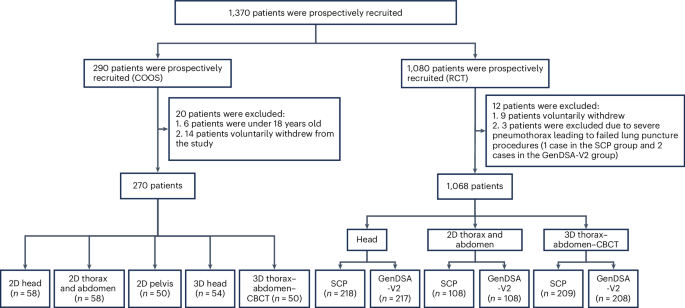
A clinical trial involving over one thousand patients shows that generative artificial intelligence can reduce radiation doses by approximately two-thirds during digital subtraction angiography. This common imaging procedure is crucial for visualizing blood vessels during surgeries, but it traditionally exposes patients to significant ionizing radiation. In this study, researchers used an AI model trained to generate high-quality, synthetic medical images from low-dose scans. By supplementing the lower-quality images, the AI allows doctors to perform the procedure safely with much less radiation, maintaining image clarity without compromising patient safety.

What this means for you

This study shows promise in reducing radiation during procedures, but it's early research. It may take years before it's available. Continue following your doctor's current advice for your care.

Citation:

Nature Medicine - AI Section, 2026. DOI: s41591-025-04042-6 Read article →

The ascent of the AI therapist
MIT Technology Review - AIExploratory3 min read

AI therapists expand access to mental health care

Key Takeaway:

AI-driven therapy can significantly improve access and engagement in mental health care, offering new support options for over a billion people globally.

Researchers at MIT explored how artificial intelligence can serve as an accessible therapeutic tool for mental health. With anxiety, depression, and suicide rates rising globally, traditional healthcare systems cannot keep up with demand. The study evaluated user experiences and clinical efficacy on AI-driven therapy platforms. The findings indicate that these digital tools significantly improve patient engagement and make support more accessible, especially for younger demographics and underserved populations who might otherwise go without any mental health care.

What this means for you

"Exciting early research shows AI could help with mental health care, but it's not ready for clinics yet. Stick to your current treatment and discuss any changes with your doctor."

Citation:

MIT Technology Review - AI, 2026. Read article →

Mechanistic insights make cancer cachexia a targetable syndrome
Nature Medicine - AI SectionExploratory3 min read

New drug target found for cancer weight loss

Key Takeaway:

Researchers have discovered a new drug target for cancer-related weight loss, offering hope for future treatments to improve patient quality of life.

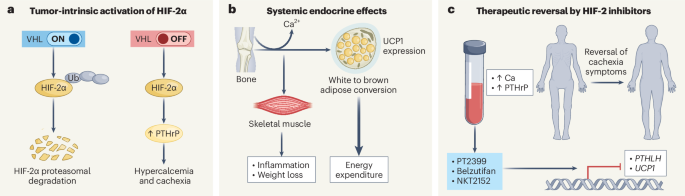
Scientists have identified a specific metabolic pathway, known as HIF-2, that drives cancer cachexia. Cachexia is a debilitating syndrome characterized by extreme weight loss and muscle wasting, affecting up to eighty percent of cancer patients and directly contributing to cancer deaths. Currently, there are no effective treatments for this condition. By demonstrating that the HIF-2 pathway can be targeted with drugs, this research opens the door to new therapies that could stop muscle wasting, helping patients stay stronger during their cancer treatments.

What this means for you

Exciting research suggests new treatment possibilities for cancer-related weight loss. However, it's still early. It may take years before it's available. Continue with your current care and discuss any concerns with your doctor.

Citation:

Nature Medicine - AI Section, 2026. DOI: s41591-025-04109-4 Read article →

Autologous multiantigen-targeted T cell therapy for pancreatic cancer: a phase 1/2 trial
Nature Medicine - AI SectionExploratory3 min read

Personalized T cell therapy tackles pancreatic cancer

Key Takeaway:

Early trial results show a new personalized T cell therapy could offer hope for treating aggressive pancreatic cancer, with promising safety and effectiveness observed in patients.

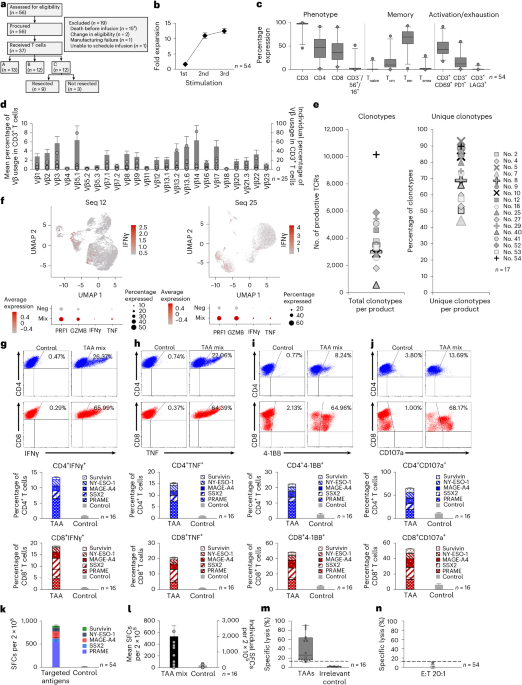
An early-stage clinical trial evaluated a personalized immune therapy for patients with pancreatic ductal adenocarcinoma, an aggressive cancer with very few successful treatment options. The therapy uses the patient's own T cells, which are engineered in a lab to target five distinct proteins found on cancer cells. Once infused back into the patient, these trained cells hunt down the tumor. The trial demonstrated promising safety and showed early signs that the modified cells successfully triggered a broader immune response against the cancer.

What this means for you

"Exciting early research for pancreatic cancer treatment, but it's not yet available. It may take years before it's an option. Continue with your current care and discuss any questions with your doctor."

Citation:

Nature Medicine - AI Section, 2026. DOI: s41591-025-04043-5 Read article →

Multi-omic definition of metabolic obesity through adipose tissue–microbiome interactions
Nature Medicine - AI SectionExploratory3 min read

Gut bacteria interactions define metabolic obesity

Key Takeaway:

New research reveals how interactions between fat tissue and gut bacteria contribute to metabolic obesity, offering insights for better diagnosis and treatment of this condition.

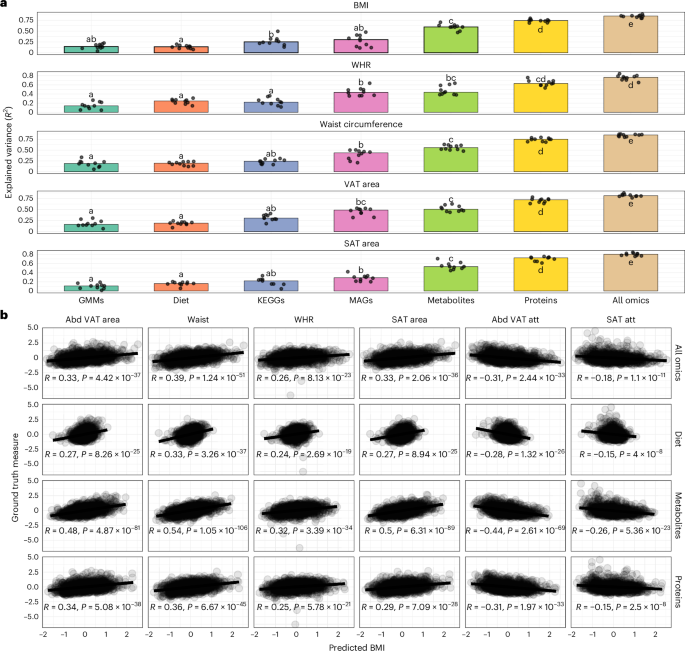
A study analyzed data from five hundred participants to understand metabolic obesity, a condition where individuals of normal body weight still suffer from obesity-related metabolic dysfunction. By combining genetic, protein, and gut microbiome data, researchers mapped how fat tissue interacts with gut bacteria. They discovered specific microbial signatures and chemical pathways that correlate with unhealthy fat tissue. This deeper biological understanding could lead to better diagnostic tools and targeted therapies to treat metabolic issues before they cause severe health problems.

What this means for you

This early research on metabolic obesity is promising but not yet ready for clinical use. Continue following your doctor's advice and don't change your care based on this study.

Citation:

Nature Medicine - AI Section, 2026. DOI: s41591-025-04009-7 Read article →

Google News - AI in HealthcareExploratory3 min read

AI summarization tackles medical data overload

Key Takeaway:

AI tools that summarize large amounts of medical data are set to improve clinical decision-making and patient care by efficiently managing information overload.

Healthcare systems are currently flooded with more digital data than clinicians can easily process. Researchers studied how artificial intelligence can help by automatically summarizing complex medical records into clear, actionable insights. By condensing massive amounts of patient history, lab results, and clinical notes, these AI tools help doctors make faster, more accurate decisions. This technology aims to streamline hospital operations and reduce the cognitive burden on healthcare workers, ultimately leading to safer and more efficient patient care.

What this means for you

This AI research is promising but still in early stages. It may take years before it's available in clinics. Continue following your doctor's advice and don't change your care based on this study.

Citation:

Google News - AI in Healthcare, 2026. Read article →

ArXiv - AI in Healthcare (cs.AI + q-bio)Exploratory3 min read

AI agent optimizes clinical trial designs

Key Takeaway:

New AI tool, ClinicalReTrial, aims to reduce drug trial failures by optimizing protocols, potentially speeding up new treatments' availability in the coming years.

Developing new medicines is incredibly slow and expensive, largely because many clinical trials fail due to poorly designed protocols. To address this, researchers created ClinicalReTrial, an artificial intelligence agent designed to optimize trial setups. Unlike older AI models that only predict if a trial will fail, this new tool analyzes the protocol and suggests specific, actionable changes to improve the trial's chances of success. This technology could help pharmaceutical companies fix design flaws before trials begin, speeding up the delivery of new drugs to patients.

What this means for you

This AI tool aims to improve clinical trials, potentially speeding up new treatments. It's early research, so it won't affect current care soon. Keep following your doctor's advice for your health needs.

Citation:

ArXiv, 2026. arXiv: 2601.00290 Read article →

ArXiv - Quantitative BiologyExploratory3 min read

AI predicts blood sugar levels weekly

Key Takeaway:

AI models can now accurately predict blood sugar levels a week in advance for people with diabetes, helping to improve personalized care and management.

Managing diabetes requires constant vigilance to keep blood sugar levels within a safe range. Researchers tested four advanced machine learning models using data from over four thousand scenarios to see if AI could forecast future blood sugar trends. The models successfully predicted key continuous glucose monitoring metrics a full week in advance for both Type 1 and Type 2 diabetes. This predictive capability allows patients and doctors to adjust insulin doses and diets proactively, preventing dangerous blood sugar spikes and drops before they happen.

What this means for you

This early research on AI predicting blood sugar levels isn't available yet. It may take years to reach clinics. Continue following your current diabetes care plan and consult your doctor for advice.

Citation:

ArXiv, 2026. arXiv: 2601.00613 Read article →

Mitigating memorization threats in clinical AI
Healthcare IT NewsExploratory3 min read

Clinical AI models risk leaking patient data

Key Takeaway:

AI models using electronic health records may unintentionally expose patient data, highlighting the need for improved privacy measures in healthcare technology.

As hospitals increasingly adopt artificial intelligence models trained on electronic health records, privacy concerns are rising. Researchers at MIT discovered that these clinical AI models can memorize sensitive patient information and accidentally reveal it when prompted. To address this threat, the team created six open-source security tests. These tests evaluate how easily a malicious user could manipulate an AI model into leaking private health data, providing a standardized way for developers to secure medical AI systems before they are deployed in hospitals.

What this means for you

This research highlights privacy concerns with AI in healthcare. It's early-stage, so don't change your care based on it. Always discuss any concerns with your doctor to ensure your data stays safe.

Citation:

Healthcare IT News, 2026. Read article →

Devices Target the Gut to Maintain Weight Loss from GLP-1 Drugs
IEEE Spectrum - BiomedicalExploratory3 min read

Endoscopic devices sustain GLP-1 weight loss

Key Takeaway:

Endoscopic devices may help maintain weight loss achieved with GLP-1 drugs, offering a promising new tool for long-term obesity management.

While GLP-1 receptor agonist drugs are highly effective for weight loss, many patients struggle with regaining weight once they stop taking the medication. Researchers are investigating the use of endoscopic medical devices that target the gastrointestinal tract to help maintain weight loss. These minimally invasive devices are designed to alter gut mechanics or signaling. The study suggests that combining temporary drug therapy with these gut-targeting devices could offer patients a sustainable, long-term solution for managing obesity without requiring lifelong medication.

What this means for you

This research is promising but still in early stages. It may take years before it's available. Continue following your current treatment plan and discuss any questions with your doctor.

Citation:

IEEE Spectrum - Biomedical, 2026. Read article →

New to reading medical AI research? Learn how to interpret these studies →