Mednosis LogoMednosis

Gastroenterology

RSS

1 research item tagged with "gastroenterology"

The Medical FuturistExploratory3 min read

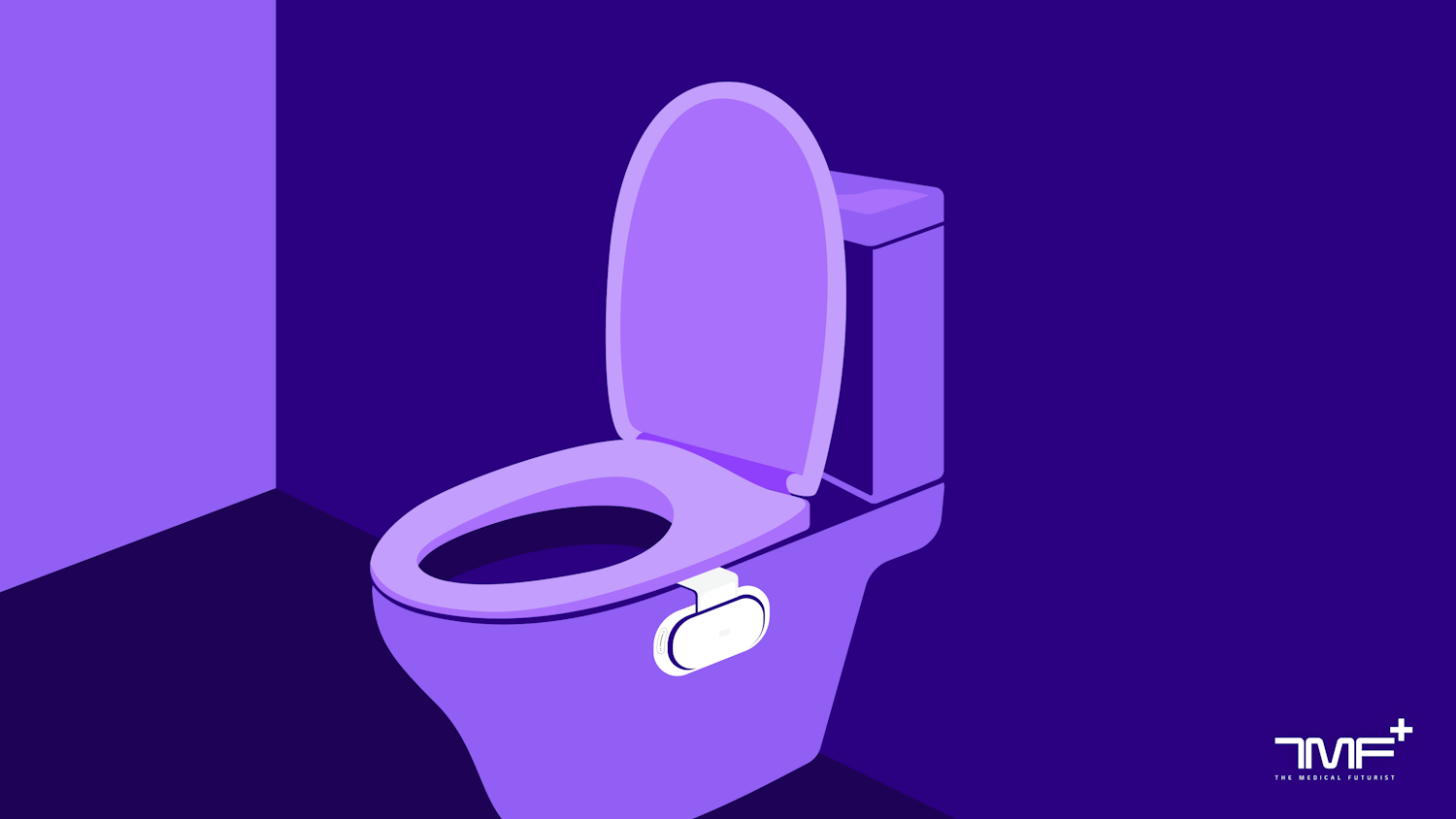
Is It Time To Equip Our Toilets With Health Sensors?

Key Takeaway:

Integrating health sensors into toilets could soon allow for daily, non-invasive health monitoring by analyzing waste, potentially aiding early detection of various conditions.

The study examined the potential of integrating health sensors into toilets, highlighting the capacity of these devices to provide continuous health monitoring through the analysis of human waste. This research is significant for healthcare as it proposes a non-invasive, daily health assessment tool that could facilitate early detection of various health conditions, potentially reducing the burden on healthcare systems by enabling preventive care. The methodology involved a comprehensive review of current technological advancements in sensor technology and their applications in health monitoring. The study explored various sensors capable of detecting biomarkers in urine and feces, such as glucose, proteins, and blood, which are indicative of conditions like diabetes, kidney disease, and gastrointestinal issues. Key results indicate that smart toilets equipped with these sensors could monitor a range of health parameters with considerable accuracy. For instance, sensors can detect glucose levels with a precision comparable to standard laboratory methods, offering a potential alternative for diabetes management. Additionally, the study found that such systems could identify blood in stool, a critical marker for colorectal cancer, with a sensitivity rate of approximately 90%. The innovation of this approach lies in its ability to integrate seamlessly into daily life, providing real-time health data without requiring active patient participation, thus enhancing adherence to health monitoring protocols. However, the study acknowledges several limitations. The primary challenge is ensuring the accuracy and reliability of sensor data in the variable and uncontrolled environment of a household toilet. Furthermore, there are concerns regarding data privacy and the secure transmission of sensitive health information. Future directions for this research include the development of clinical trials to validate the efficacy and accuracy of these sensors in diverse populations. Additionally, there is a need for the establishment of robust data security measures to ensure patient confidentiality and the ethical use of collected health data.

For Clinicians:

"Pilot study (n=50). Demonstrated feasibility of toilet health sensors for waste analysis. Early detection potential, but limited by small sample size. Await larger trials for clinical application. Monitor developments in non-invasive diagnostics."

For Everyone Else:

"Exciting early research suggests toilets could monitor health, but it's years away. Don't change your care yet. Keep following your doctor's advice and stay informed about new developments."

Citation:

The Medical Futurist, 2025.