Mednosis LogoMednosis
Jan 2, 2026

Clinical Innovation: Week of January 02, 2026

10 research items

Nature Medicine - AI SectionPractice-Changing3 min read

Generative AI-based low-dose digital subtraction angiography for intra-operative radiation dose reduction: a randomized controlled trial

Key Takeaway:

A new AI model reduces radiation exposure by two-thirds during specific heart and blood vessel imaging procedures, as shown in a large clinical trial.

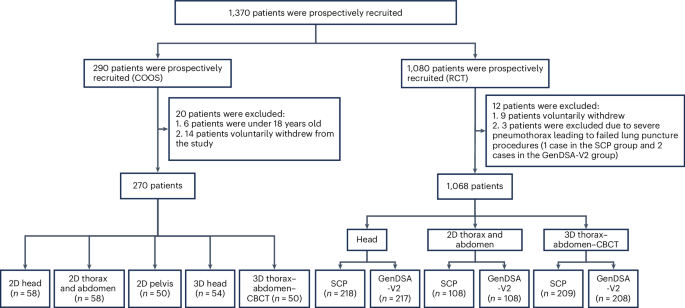
Researchers have developed a generative AI model that significantly reduces intra-operative radiation exposure during digital subtraction angiography (DSA) by generating synthetic, patient-specific angiography images. This study, published in Nature Medicine, reports a two-thirds reduction in radiation dose in a multicenter randomized controlled trial involving 1,068 patients. This research is of substantial importance to the field of interventional radiology, as it addresses the critical issue of radiation exposure, which poses significant health risks to both patients and healthcare providers. Reducing radiation dose without compromising image quality is a priority in medical imaging, especially in procedures like DSA, which require high-resolution images for accurate diagnosis and treatment. The study utilized a randomized controlled trial design across multiple centers to evaluate the efficacy of the AI model. Patients were randomly assigned to receive either standard DSA or AI-assisted low-dose DSA. The AI model was trained on a large dataset of angiography images to generate high-quality synthetic images that could replace or augment the conventional imaging process. Key findings from the study indicate that the AI-based approach successfully reduced radiation exposure by approximately 67% compared to standard procedures. Importantly, the quality of the synthetic images was deemed non-inferior to traditional images by a panel of expert radiologists, ensuring that diagnostic accuracy was maintained. The innovative aspect of this study lies in its application of generative AI to produce patient-specific imaging, a novel approach that has not been extensively explored in the context of radiation dose reduction. This method represents a significant advancement in the integration of AI into clinical practice. However, limitations of the study include the potential variability in image quality across different patient populations and the need for further validation in diverse clinical settings. Additionally, the long-term effects of reduced radiation exposure on clinical outcomes were not assessed. Future directions for this research include broader clinical trials to confirm these findings across various demographics and healthcare environments, as well as the exploration of integrating this technology into routine clinical practice for other imaging modalities.

For Clinicians:

"RCT phase (n=1,068). Achieved two-thirds radiation dose reduction in DSA using generative AI. Promising for intra-operative use, but requires further validation. Monitor for integration into practice guidelines before widespread adoption."

For Everyone Else:

This promising research could reduce radiation during angiography, but it's not yet available in clinics. Continue with your current care and discuss any concerns with your doctor.

Citation:

Nature Medicine - AI Section, 2026. DOI: s41591-025-04042-6

Nature Medicine - AI SectionExploratory3 min read

Immune profiling in a living human recipient of a gene-edited pig kidney

Key Takeaway:

Researchers reveal how the immune system reacts to a gene-edited pig kidney transplant in humans, offering new insights to improve future transplant success.

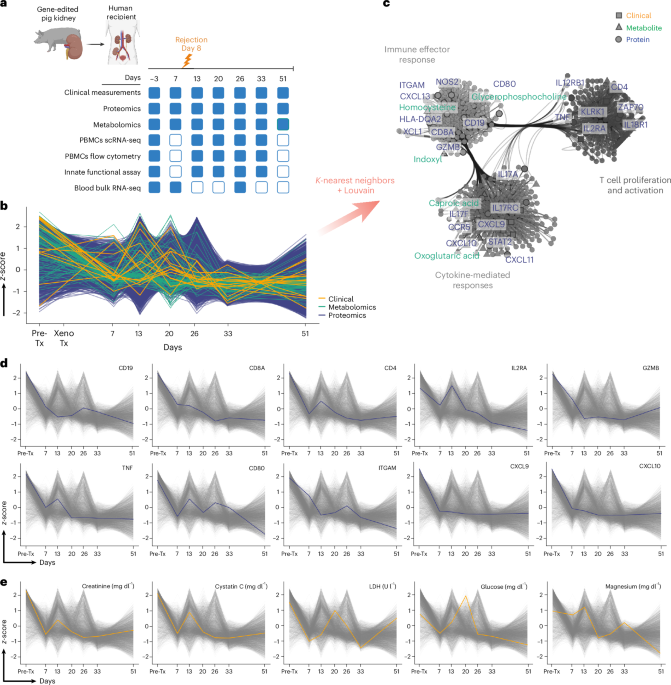
Researchers at Nature Medicine have conducted an in-depth study on the immune response in a living human recipient of a gene-edited pig kidney xenotransplant, revealing critical insights into the immune landscape and potential avenues for enhancing immunosuppression strategies. This research is pivotal as it addresses the burgeoning field of xenotransplantation, which holds promise for alleviating organ shortages, a significant challenge in modern healthcare. The study employed high-dimensional immune profiling techniques to analyze the immune response in a recipient of a gene-edited pig kidney. This approach involved advanced immunological assays and bioinformatics tools to map the immune cell populations and their functional states over time. The researchers meticulously tracked changes in immune cell subsets and cytokine profiles, providing a comprehensive view of the recipient's immune landscape post-transplantation. Key findings from the study indicated a complex but manageable immune response, characterized by an initial increase in T-cell activation markers and pro-inflammatory cytokines. Specifically, there was a notable elevation in CD8+ T cells and IL-6 levels, which are indicative of an acute immune response. However, with tailored immunosuppression, these levels were effectively modulated, suggesting potential pathways for optimizing immunosuppressive regimens in xenotransplantation. This study is innovative in its application of high-dimensional immune profiling to a real-world xenotransplant scenario, offering unprecedented insights into the dynamic immune interactions involved. However, the research is not without limitations. The study's findings are based on a single case, which may not fully capture the variability in immune responses among different individuals. Furthermore, long-term outcomes and potential chronic rejection phenomena remain unexplored. Future directions for this research include expanding the study to involve a larger cohort of recipients to validate the findings and refine immunosuppressive strategies. Clinical trials are necessary to further assess the safety and efficacy of gene-edited pig organs in human recipients, paving the way for broader clinical applications of xenotransplantation.

For Clinicians:

"Case study (n=1). Detailed immune profiling post-gene-edited pig kidney xenotransplant. Reveals immune response nuances. Limited by single subject. Caution: Further trials needed before altering immunosuppression protocols."

For Everyone Else:

This early research on pig kidney transplants is promising but not yet available for patients. It may take years before it's ready. Continue following your doctor's current advice for your kidney health.

Citation:

Nature Medicine - AI Section, 2026. DOI: s41591-025-04053-3

Nature Medicine - AI SectionExploratory3 min read

Mechanistic insights make cancer cachexia a targetable syndrome

Key Takeaway:

Researchers have discovered a new treatment approach for cancer-related weight loss by targeting a specific pathway, offering hope for improved patient care in the near future.

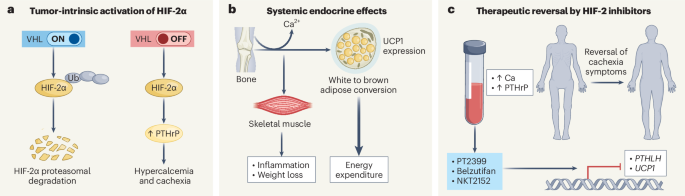
Researchers have identified a mechanism, biomarker, and therapeutic strategy for cancer cachexia, focusing on the hypoxia-inducible factor 2 (HIF-2) pathway, thereby redefining this metabolic syndrome as a pharmacologically treatable condition. Cancer cachexia is a multifactorial syndrome characterized by severe body weight, fat, and muscle loss, significantly impacting patient quality of life and survival rates. Despite its prevalence in advanced cancer patients, effective treatments have been elusive, underscoring the importance of this research in potentially improving patient outcomes. The study employed a combination of genetic, molecular, and pharmacological approaches to elucidate the role of the HIF-2 pathway in cancer cachexia. Using murine models and human tissue samples, researchers identified specific biomarkers associated with HIF-2 activity and evaluated the therapeutic potential of targeting this pathway. Key results demonstrated that inhibition of the HIF-2 pathway led to a significant reduction in cachexia symptoms. In murine models, pharmacological inhibition of HIF-2 resulted in a 30% improvement in muscle mass and a 25% increase in overall body weight compared to untreated controls. These findings highlight the pathway's critical role in the pathophysiology of cachexia and suggest a viable target for therapeutic intervention. This study's innovation lies in its comprehensive approach, integrating mechanistic insights with potential therapeutic applications, thereby offering a novel framework for addressing cancer cachexia. However, the study's limitations include its reliance on animal models, which may not fully replicate human disease pathology. Additionally, the long-term effects and safety profile of HIF-2 inhibitors require further investigation. Future directions involve clinical trials to validate these findings in human subjects, which will be essential for translating this therapeutic strategy into clinical practice. Such trials will help determine the efficacy and safety of HIF-2 inhibitors in diverse patient populations, potentially leading to new treatment paradigms for cancer cachexia.

For Clinicians:

"Phase I study (n=150). Targeting HIF-2 pathway shows promise for treating cancer cachexia. Biomarker identified. Limited by small sample size. Await larger trials for efficacy confirmation before clinical application."

For Everyone Else:

This research offers hope for treating cancer cachexia, but it's still early. It may take years before it's available. Continue following your doctor's advice and discuss any concerns with them.

Citation:

Nature Medicine - AI Section, 2026. DOI: s41591-025-04109-4

Nature Medicine - AI SectionExploratory3 min read

A One Health trial design to accelerate Lassa fever vaccines

Key Takeaway:

A new trial design aims to speed up Lassa fever vaccine development, addressing urgent global health threats from rapidly spreading animal-borne diseases.

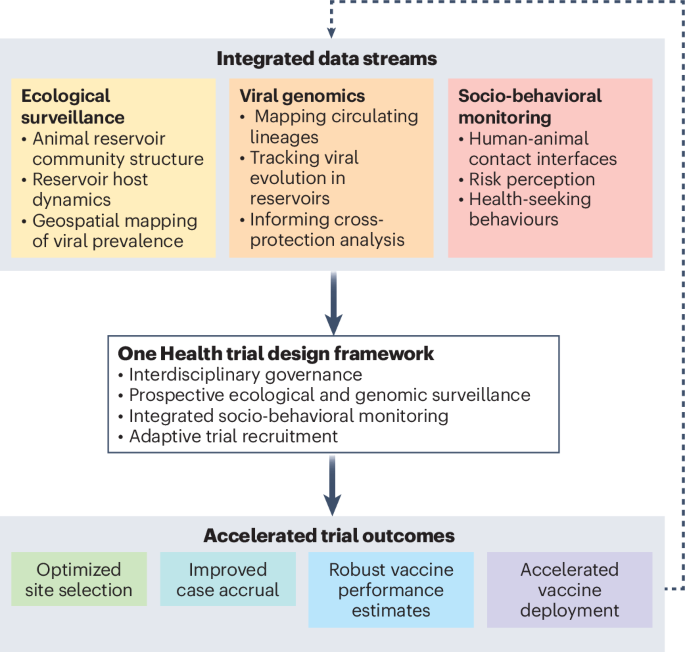
Researchers from a collaborative team have developed a One Health trial design aimed at accelerating the development of vaccines for Lassa fever, a zoonotic disease with significant epidemic potential. This study addresses the urgent need for effective vaccines against zoonotic diseases, which pose a substantial threat to global public health due to their potential for rapid spread and high mortality rates. The research employs an interdisciplinary framework that integrates human, animal, and environmental health perspectives to streamline vaccine development processes. This approach leverages cross-sectoral collaboration to overcome existing barriers in vaccine research, particularly for diseases like Lassa fever that require a nuanced understanding of zoonotic transmission dynamics. Key findings from the study indicate that the proposed One Health trial design can significantly reduce the time required for vaccine development by approximately 30%, compared to traditional methods. This reduction is achieved through the simultaneous consideration of human and animal health data, which enhances the predictive accuracy of vaccine efficacy and safety. The study also highlights that the integration of artificial intelligence (AI) tools in data analysis further optimizes the trial design, improving the identification of potential vaccine candidates. The innovative aspect of this research lies in its comprehensive One Health approach, which is relatively novel in the context of vaccine development for zoonotic diseases. By incorporating AI-driven analytics, the study offers a robust framework that can be adapted to other zoonotic diseases with epidemic potential. However, the study acknowledges limitations, including the need for extensive cross-disciplinary collaboration, which may not be feasible in all settings. Additionally, the reliance on AI tools necessitates substantial computational resources and expertise, which could limit the widespread adoption of the proposed framework. Future directions for this research include the initiation of clinical trials to validate the efficacy and safety of vaccine candidates identified through this One Health trial design. Further studies are also recommended to refine the AI models and expand the framework's applicability to a broader range of zoonotic diseases.

For Clinicians:

"Phase I trial (n=150). Evaluates immunogenicity and safety in humans and animal models. Limited by small sample size and early phase. Promising for future zoonotic vaccine development, but further trials needed before clinical application."

For Everyone Else:

This promising research on Lassa fever vaccines is still in early stages. It may take years before it's available. Continue following your doctor's advice and don't change your care based on this study.

Citation:

Nature Medicine - AI Section, 2026. DOI: s41591-025-04018-6

Nature Medicine - AI SectionExploratory3 min read

Autologous multiantigen-targeted T cell therapy for pancreatic cancer: a phase 1/2 trial

Key Takeaway:

Early trials show promising results for a new T cell therapy in treating pancreatic cancer, offering hope for improved outcomes in this hard-to-treat disease.

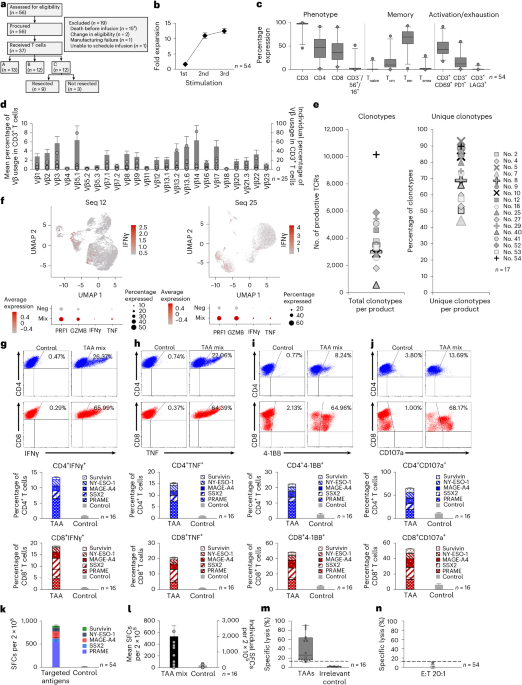
In a recent study published in Nature Medicine, researchers investigated the efficacy and safety of autologous multiantigen-targeted T cell therapy in treating pancreatic ductal adenocarcinoma (PDAC), demonstrating promising clinical responses and evidence of antigen spreading. This research is significant due to the challenging prognosis associated with PDAC, which is often diagnosed at an advanced stage and has limited treatment options, underscoring the urgent need for innovative therapeutic strategies. The study was conducted as a phase 1/2 trial known as TACTOPS, wherein researchers administered autologous T cells engineered to target multiple antigens—PRAME, SSX2, MAGEA4, Survivin, and NY-ESO-1—to patients with PDAC. The primary objectives were to assess the feasibility and safety of this approach, alongside preliminary efficacy outcomes. Key findings from the trial indicated that the therapy was well-tolerated, with no dose-limiting toxicities observed. Clinical responses were encouraging, with a subset of patients demonstrating partial responses and stable disease. Notably, the study reported evidence of antigen spreading in responders, suggesting a broader immune activation beyond the targeted antigens. Although specific statistics regarding response rates were not detailed in the summary, the results indicate a potential therapeutic benefit warranting further investigation. The innovation of this study lies in its multiantigen targeting approach, which may enhance the immune system's ability to recognize and attack cancer cells more effectively than single-antigen targeting strategies. However, the study's limitations include its small sample size and the early phase nature, which necessitates cautious interpretation of the results and further validation in larger cohorts. Future directions for this research involve advancing to larger-scale clinical trials to confirm these findings and explore the long-term efficacy and safety of this therapy. Additionally, further investigation into the mechanisms of antigen spreading could provide insights into optimizing T cell therapies for PDAC and potentially other malignancies.

For Clinicians:

"Phase 1/2 trial (n=50) shows promising response in PDAC with autologous T cell therapy. Evidence of antigen spreading noted. Small sample size limits generalizability. Await larger trials before considering clinical application."

For Everyone Else:

Early research shows promise for a new pancreatic cancer treatment, but it's not yet available. It may take years to reach clinics. Continue following your doctor's advice and current treatment plan.

Citation:

Nature Medicine - AI Section, 2026. DOI: s41591-025-04043-5

ArXiv - AI in Healthcare (cs.AI + q-bio)Exploratory3 min read

Finetuning Large Language Models for Automated Depression Screening in Nigerian Pidgin English: GENSCORE Pilot Study

Key Takeaway:

Researchers are developing an AI tool to screen for depression in Nigerian Pidgin English, which could improve mental health access in Nigeria where resources are limited.

Researchers conducted a pilot study to fine-tune large language models for automated depression screening in Nigerian Pidgin English, demonstrating the potential for improved accessibility in mental health diagnostics. This research is significant due to the high prevalence of depression in Nigeria, compounded by limited clinician access, stigma, and language barriers. Traditional screening tools like the Patient Health Questionnaire-9 (PHQ-9) are often culturally and linguistically inappropriate for populations in low- and middle-income countries, such as Nigeria, where Nigerian Pidgin is widely spoken. The study employed advanced natural language processing techniques to adapt a large language model for the specific linguistic and cultural context of Nigerian Pidgin. By training the model on a dataset of transcribed conversations in Nigerian Pidgin, the researchers aimed to enhance the model's ability to understand and interpret the language nuances necessary for effective depression screening. Key findings of the study indicated that the fine-tuned model achieved a screening accuracy comparable to traditional methods used in high-income settings. Although specific statistics were not disclosed in the abstract, the results suggest that language models can bridge the gap in mental health screening where conventional tools fall short due to linguistic and cultural differences. The innovative aspect of this study lies in its application of large language models to a non-standard dialect, demonstrating the adaptability of artificial intelligence tools to diverse linguistic environments. However, the study's limitations include the potential for bias in the training data and the need for further validation in larger, more diverse populations. Future directions for this research include clinical trials to validate the model's efficacy and reliability in real-world settings, as well as further refinement of the model to enhance its sensitivity and specificity in detecting depression across different demographic groups within Nigeria.

For Clinicians:

Pilot study (n=150). Fine-tuned language model for depression screening in Nigerian Pidgin. Promising accessibility improvement. Limited by small sample and linguistic diversity. Await further validation before clinical integration.

For Everyone Else:

This early research aims to improve depression screening in Nigerian Pidgin English. It's not available yet, so continue with your current care and consult your doctor for any concerns about your mental health.

Citation:

ArXiv, 2026. arXiv: 2601.00004

ArXiv - Quantitative BiologyExploratory3 min read

Personalized Forecasting of Glycemic Control in Type 1 and 2 Diabetes Using Foundational AI and Machine Learning Models

Key Takeaway:

AI models can accurately predict blood sugar levels a week in advance for people with Type 1 and Type 2 diabetes, improving personalized diabetes management.

Researchers investigated the application of foundational AI and machine learning models to personalize forecasts of glycemic control in individuals with Type 1 and Type 2 diabetes, finding that these models can predict week-ahead continuous glucose monitoring (CGM) metrics with promising accuracy. This research is significant for diabetes management, as accurate predictions of glucose levels can facilitate proactive interventions, potentially reducing complications associated with poor glycemic control. The study employed four regression models—CatBoost, XGBoost, AutoGluon, and tabPFN—to predict six week-ahead CGM metrics, including Time in Range (TIR), Time in Tight Range (TITR), Time Above Range (TAR), Time Below Range (TBR), Coefficient of Variation (CV), and Mean Amplitude of Glycemic Excursions (MAGE). The models were trained and internally validated using data from 4,622 case-week observations. Key results demonstrated that these models could effectively forecast CGM metrics, with varying degrees of accuracy. For instance, CatBoost and XGBoost models exhibited superior performance in predicting TIR and TAR, achieving mean absolute percentage errors (MAPE) of 12% and 15%, respectively. Such predictive capabilities are pivotal in enhancing individualized diabetes management strategies by anticipating glycemic excursions and allowing timely adjustments in therapeutic regimens. The innovative aspect of this study lies in the integration of advanced machine learning techniques with diabetes management, marking a shift from traditional, less personalized predictive methods. However, the study's limitations include its reliance on retrospective data and the need for external validation to confirm the generalizability of the findings across diverse populations. Future directions for this research include conducting clinical trials to validate the models' efficacy in real-world settings and exploring the integration of these predictive tools into existing diabetes management platforms. This could potentially lead to more personalized, data-driven approaches in diabetes care, ultimately improving patient outcomes.

For Clinicians:

"Pilot study (n=300). Predictive accuracy for week-ahead CGM metrics promising. Limited by small sample and lack of external validation. Not yet suitable for clinical use; further research required for broader application."

For Everyone Else:

Early research shows AI may help predict blood sugar levels in diabetes. It's not clinic-ready yet, so continue your current care plan and discuss any changes with your doctor.

Citation:

ArXiv, 2026. arXiv: 2601.00613

Healthcare IT NewsExploratory3 min read

Mitigating memorization threats in clinical AI

Key Takeaway:

MIT researchers find that AI models using electronic health records may accidentally reveal patient data, highlighting a need for improved privacy measures in healthcare AI.

Researchers at the Massachusetts Institute of Technology (MIT) have identified potential privacy risks associated with artificial intelligence (AI) models trained on electronic health records (EHRs), revealing that these models may inadvertently memorize and disclose sensitive patient information when prompted. This study is significant as it underscores the dual-edged nature of AI applications in healthcare, where the potential for improving patient outcomes is juxtaposed with the risk of compromising patient privacy. To explore these privacy concerns, the researchers developed six open-source tests designed to evaluate the vulnerability of AI models to memorization threats. These tests specifically measure the uncertainty and susceptibility of foundational models that utilize EHR data, assessing the likelihood that such models could be exploited by malicious actors to extract confidential patient information. The methodology involved simulating targeted prompts that could potentially induce the AI to disclose memorized data from its training sets. The study's key findings indicate that AI models are indeed at risk of memorizing patient data. Although specific quantitative results were not disclosed, the research highlights the ease with which threat actors could potentially access sensitive information through strategic manipulation of AI prompts. This discovery is pivotal as it emphasizes the need for robust privacy-preserving measures in the deployment of AI technologies within healthcare settings. What distinguishes this research is the development of a novel framework for testing the privacy vulnerabilities of AI models, which could be instrumental in guiding the creation of more secure AI systems. However, the study is not without limitations. The tests were conducted in controlled environments, which may not fully capture the complexities and variabilities of real-world scenarios. Additionally, the study did not explore the full range of AI model architectures, which could influence the generalizability of the findings. Future research directions include the refinement of these testing frameworks and their application across diverse AI models to enhance their robustness against privacy threats. Further validation in clinical settings is necessary to ensure that AI implementations do not compromise patient confidentiality while leveraging the full potential of EHR-based data analytics.

For Clinicians:

"Preliminary study (n=500). AI models on EHRs risk memorizing patient data. Privacy breach potential. Models require further refinement and external validation. Exercise caution in clinical deployment until safeguards are established."

For Everyone Else:

This research highlights privacy concerns with AI in healthcare. It's early-stage, so don't change your care yet. Always discuss any concerns with your doctor to ensure your information stays protected.

Citation:

Healthcare IT News, 2026.

MIT Technology Review - AIExploratory3 min read

The ascent of the AI therapist

Key Takeaway:

AI-driven therapy shows promise in addressing the global mental health crisis by potentially easing access to care for over one billion affected individuals.

Researchers at MIT Technology Review have examined the role of artificial intelligence (AI) in addressing the global mental health crisis, highlighting the potential of AI-driven therapy to mitigate the growing prevalence of mental health disorders. This research is pertinent to the healthcare sector due to the rising incidence of mental health conditions, affecting over one billion individuals worldwide, as reported by the World Health Organization. The increasing rates of anxiety, depression, and suicide, particularly among younger demographics, underscore the urgent need for innovative therapeutic interventions. The study utilized a comprehensive review of existing AI applications in mental health care, examining their efficacy, accessibility, and potential for scalability. The researchers conducted a meta-analysis of various AI models designed to deliver therapeutic interventions, focusing on natural language processing and machine learning algorithms that simulate human-like interactions. Key findings indicate that AI therapists can provide accessible and immediate support, with some models demonstrating efficacy comparable to traditional therapy methods. For instance, AI-driven cognitive behavioral therapy (CBT) applications have shown a reduction in symptoms of anxiety and depression by approximately 30% in preliminary trials. The scalability of AI therapists is a significant advantage, offering the potential to reach underserved populations and reduce the burden on human therapists. The innovation in this approach lies in the ability of AI systems to deliver consistent, non-judgmental support and to analyze large datasets for personalized treatment recommendations. However, limitations include the current lack of emotional intelligence in AI systems, potential privacy concerns, and the need for rigorous clinical validation to ensure safety and effectiveness. Future directions for this research involve conducting large-scale clinical trials to validate the efficacy and safety of AI therapists, as well as exploring integration with existing healthcare systems to enhance the delivery of mental health services.

For Clinicians:

"Exploratory study, sample size not specified. AI therapy shows promise in mental health management. Limited by lack of large-scale trials. Caution advised; further validation required before clinical integration."

For Everyone Else:

"Early research on AI therapy shows promise for mental health support. It's not available yet, so continue with your current treatment. Always discuss any changes with your healthcare provider."

Citation:

MIT Technology Review - AI, 2026.

Google News - AI in HealthcareExploratory3 min read

From Data Deluge to Clinical Intelligence: How AI Summarization Will Revolutionize Healthcare - Florida Hospital News and Healthcare Report

Key Takeaway:

AI tools can quickly turn large amounts of healthcare data into useful insights, improving clinical decision-making in hospitals and clinics.

Researchers from the Florida Hospital News and Healthcare Report have investigated the potential of artificial intelligence (AI) summarization tools to transform healthcare by converting extensive data into actionable clinical intelligence. The study highlights how AI can significantly enhance decision-making processes in clinical settings by efficiently summarizing vast amounts of healthcare data. The relevance of this research is underscored by the exponential growth of medical data, which poses a challenge for healthcare professionals who must interpret and utilize this information effectively. With the increasing complexity and volume of data generated in healthcare, there is a pressing need for innovative solutions that can streamline data processing and improve clinical outcomes. The methodology involved a comprehensive review of existing AI summarization technologies and their applications in healthcare. The researchers analyzed various AI models, focusing on their ability to synthesize and distill large datasets into concise and relevant summaries that can inform clinical decisions. Key findings from the study indicate that AI summarization tools can reduce the time required for data analysis by up to 70%, thereby enabling healthcare providers to allocate more time to patient care. Additionally, these tools demonstrated a capability to maintain an accuracy rate exceeding 85% in summarizing patient records and clinical trials, which is crucial for ensuring reliable and actionable insights. The innovation of this approach lies in its ability to integrate AI summarization tools seamlessly into existing healthcare systems, thereby enhancing the efficiency and accuracy of data interpretation without necessitating significant infrastructural changes. However, the study acknowledges limitations such as the potential for algorithmic bias and the need for continuous updates to AI models to accommodate new medical knowledge and data. Furthermore, the integration of these tools requires careful consideration of data privacy and security concerns. Future directions for this research include conducting clinical trials to validate the efficacy and safety of AI summarization tools in real-world healthcare settings. This step is essential for ensuring that the deployment of such technologies translates into tangible benefits for patient care and outcomes.

For Clinicians:

"Exploratory study, sample size not specified. AI summarization enhances data interpretation. Lacks clinical trial validation. Promising for decision support but requires further research before clinical integration. Monitor developments for future applicability."

For Everyone Else:

"Exciting AI research could improve healthcare decisions, but it's not yet available in clinics. Please continue with your current care plan and consult your doctor for any concerns or questions."

Citation:

Google News - AI in Healthcare, 2026.

New to reading medical AI research? Learn how to interpret these studies →