Mednosis LogoMednosis
Jan 9, 2026

Clinical Innovation: Week of January 09, 2026

10 research items

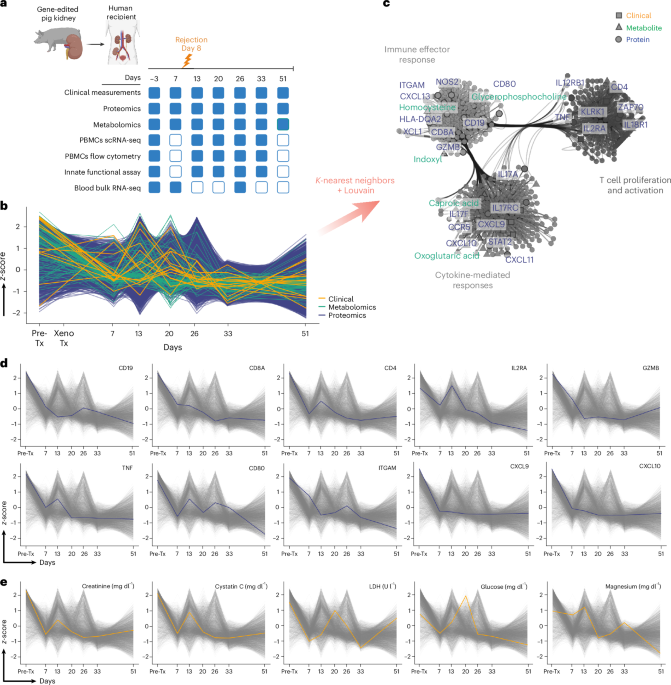
Immune profiling in a living human recipient of a gene-edited pig kidney
Nature Medicine - AI SectionExploratory3 min read

Immune map of living pig-kidney recipient revealed

Key Takeaway:

Researchers reveal how the immune system responds to a gene-edited pig kidney in humans, offering insights that could improve future transplant success and address organ shortages.

Scientists have mapped the immune response of a living human who received a genetically modified pig kidney. By tracking cellular changes and immune signals after the transplant, researchers are learning exactly how the body reacts to foreign animal tissue. This detailed profiling helps doctors design better drugs to prevent organ rejection, bringing us closer to a future where animal organs can safely save human lives.

What this means for you

This early research on gene-edited pig kidneys offers hope for future transplants but is many years from being available. Continue following your doctor's advice and don't change your care based on this study.

Citation:

Nature Medicine - AI Section, 2026. DOI: s41591-025-04053-3 Read article →
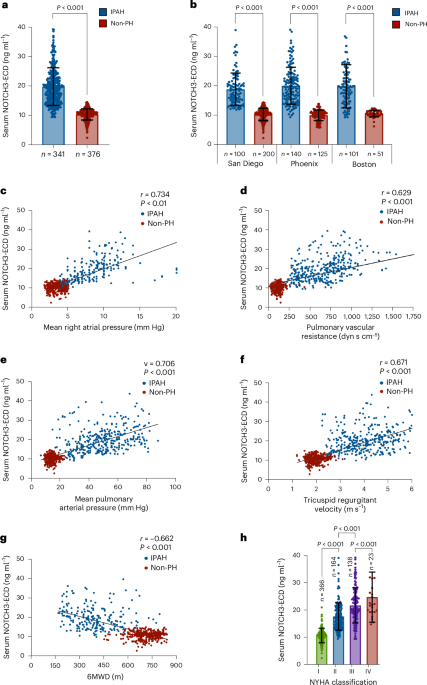
Serum biomarker enables diagnosis and monitoring of idiopathic pulmonary arterial hypertension
Nature Medicine - AI SectionExploratory3 min read

New blood test targets deadly lung disease

Key Takeaway:

Researchers have identified a blood marker that can help diagnose and monitor idiopathic pulmonary arterial hypertension, potentially improving patient care and treatment decisions.

Researchers have discovered that measuring a specific protein fragment in the blood can accurately identify idiopathic pulmonary arterial hypertension. This progressive condition causes dangerously high blood pressure in the lungs and can lead to heart failure. Currently, diagnosing it requires inserting a catheter through the veins into the heart. The new blood test offers a painless, highly accurate way to catch the disease early and monitor patient health.

What this means for you

This early research on a new biomarker for diagnosing IPAH is promising, but it's not yet available in clinics. Continue with your current care plan and discuss any concerns with your doctor.

Citation:

Nature Medicine - AI Section, 2026. DOI: s41591-025-04135-2 Read article →

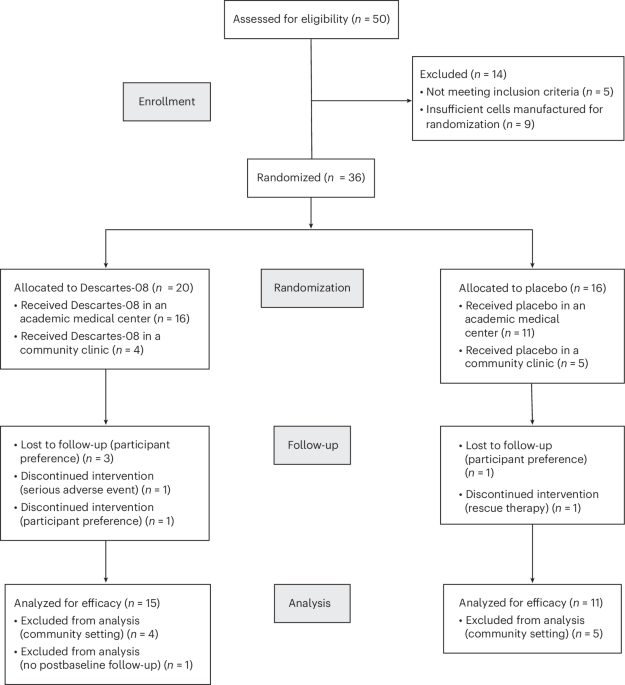
BCMA-directed mRNA CAR T cell therapy for myasthenia gravis: a randomized, double-blind, placebo-controlled phase 2b trial
Nature Medicine - AI SectionPromising3 min read

CAR T-cell therapy triumphs in autoimmune trial

Key Takeaway:

BCMA-directed mRNA CAR T cell therapy significantly reduces symptoms in myasthenia gravis patients, offering a promising new treatment option currently in phase 2b trials.

A clinical trial evaluating a novel CAR T-cell therapy for myasthenia gravis, a chronic autoimmune disease causing severe muscle weakness, has yielded highly successful results. The therapy works by targeting and eliminating the specific immune cells responsible for attacking the body's own tissues. Patients who received the treatment experienced a significant reduction in their disease symptoms compared to those who received a placebo, marking a major milestone for autoimmune care.

What this means for you

This promising treatment for myasthenia gravis isn't available yet. It's early research, so continue with your current care plan. Always discuss any questions or concerns with your doctor.

Citation:

Nature Medicine - AI Section, 2026. Read article →

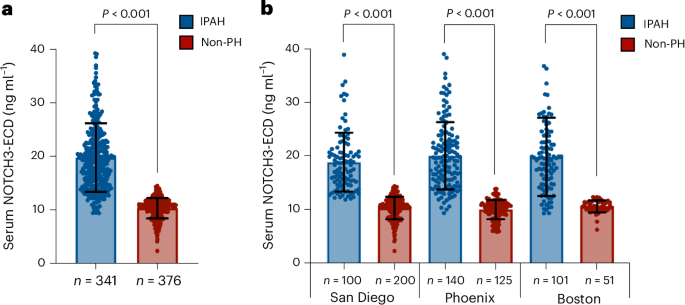
The NOTCH3 extracellular domain is a serum biomarker for pulmonary arterial hypertension
Nature Medicine - AI SectionExploratory3 min read

Protein marker tracks pulmonary hypertension noninvasively

Key Takeaway:

A new blood test using the NOTCH3 extracellular domain can help diagnose and monitor pulmonary arterial hypertension, offering a noninvasive option for tracking this serious condition.

Scientists have confirmed that a protein fragment called the NOTCH3 extracellular domain serves as a reliable blood marker for pulmonary arterial hypertension. By analyzing blood samples from patients and healthy individuals, researchers proved that tracking this protein not only identifies the disease but also monitors how it progresses over time. This noninvasive method helps doctors predict patient outcomes and adjust treatments without relying on repeated, invasive cardiac procedures.

What this means for you

Early research suggests a new blood test might help diagnose pulmonary arterial hypertension. It's not available yet, so continue with your current care plan and discuss any concerns with your doctor.

Citation:

Nature Medicine - AI Section, 2026. DOI: s41591-025-04134-3 Read article →

ArXiv - AI in Healthcare (cs.AI + q-bio)Exploratory3 min read

AI designs highly personalized medication schedules

Key Takeaway:

New research shows that using AI and advanced modeling can help create personalized medication plans, potentially improving treatment outcomes for patients.

Researchers have built a system that combines logical computer modeling with large language models to design personalized medication plans. Managing multiple prescriptions is notoriously difficult and prone to error. By translating medical guidelines and patient needs into a structured digital format, the AI generates optimized, custom dosing schedules. This approach ensures patients get the maximum benefit from their medications while minimizing side effects.

What this means for you

Exciting research on personalized medication is underway, but it's not yet available for use. Please continue with your current treatment plan and discuss any changes with your doctor.

Citation:

ArXiv, 2026. arXiv: 2601.03687 Read article →

ArXiv - Quantitative BiologyExploratory3 min read

Bayesian model tracks cancer-fighting immune cells

Key Takeaway:

A new model helps identify immune cell changes linked to cancer outcomes, aiding personalized treatment strategies and improving patient prognosis in ongoing cancer care.

Scientists developed a new statistical model to track how specific immune cells expand or shrink during cancer treatment. By analyzing genetic data from T-cell receptors over time, the model identifies which immune cells are actively fighting the tumor. This helps doctors understand why certain patients respond well to therapies and others do not, allowing for highly personalized adjustments to cancer treatment plans.

What this means for you

This early research may improve cancer treatment understanding but is not yet available in clinics. Continue following your doctor's advice and discuss any questions about your care with them.

Citation:

ArXiv, 2026. arXiv: 2601.04536 Read article →

AI-driven program targeting physician shortages set to expand
Healthcare IT NewsExploratory3 min read

AI-powered primary care program expands nationally

Key Takeaway:

Mass General Brigham's AI-driven Care Connect program expands to offer 24/7 online primary care, helping address physician shortages, especially in underserved areas.

Mass General Brigham is expanding its Care Connect initiative, a program that uses artificial intelligence to help remote doctors deliver round-the-clock primary care. The AI assists by sorting patient symptoms and streamlining administrative tasks, allowing online physicians to treat patients faster. By hiring more clinicians to support this tech-driven model, the program aims to close the healthcare gap for patients who struggle to secure traditional appointments.

What this means for you

This AI program aims to improve access to doctors online, especially in areas with few physicians. It's expanding, but not yet widely available. Continue with your current care and consult your doctor for advice.

Citation:

Healthcare IT News, 2026. Read article →

Google News - AI in HealthcareExploratory3 min read

AI predicts fifty diseases from sleep data

Key Takeaway:

AI model accurately predicts various health issues from sleep data, potentially improving early diagnosis and prevention in clinical settings.

A new artificial intelligence model can accurately predict more than 50 different health conditions by analyzing overnight sleep data. Trained on thousands of sleep studies, the machine learning algorithm spots subtle, hidden patterns in breathing, heart rates, and brainwaves. This allows the AI to catch early warning signs of chronic diseases before patients even show obvious symptoms, potentially transforming routine sleep tests into powerful diagnostic tools.

What this means for you

This AI research is promising but still in early stages. It may take years before it's available. Please continue following your current care plan and consult your doctor for any health concerns.

Citation:

Google News - AI in Healthcare, 2026. Read article →

These Hearing Aids Will Tune in to Your Brain
IEEE Spectrum - BiomedicalExploratory3 min read

Brain-reading hearing aids filter out background noise

Key Takeaway:

New hearing aids using brainwave feedback significantly improve speech clarity in noisy environments, marking a major advancement in audiology technology.

Researchers have built an innovative hearing aid system that uses brainwave feedback to improve hearing. Traditional hearing aids simply amplify all sounds, making noisy rooms overwhelming. This new device connects to sensors that monitor the user's brain waves to detect which speaker they are focusing on. The system then automatically amplifies that specific voice while dampening background noise, mimicking natural human hearing.

What this means for you

Exciting research on new hearing aids that help focus on speech, but it's still early. These aren't available yet, so stick with your current care and consult your doctor for advice.

Citation:

IEEE Spectrum - Biomedical, 2026. Read article →

Doctors think AI has a place in healthcare – but maybe not as a chatbot
TechCrunch - HealthExploratory3 min read

Doctors want clinical AI, not chatbots

Key Takeaway:

Healthcare professionals see potential in AI for medical use but are cautious about its effectiveness as a chatbot for patient interaction.

A new study exploring medical professionals' attitudes toward artificial intelligence reveals that while doctors are eager to adopt AI, they remain skeptical of conversational chatbots. The survey found that a vast majority of clinicians believe AI can successfully improve diagnostic accuracy and handle administrative burdens. However, they express caution about using conversational AI chatbots for direct patient interaction, preferring that AI remain a supportive tool behind the scenes.

What this means for you

AI in healthcare shows promise, but chatbots may not be ready yet. This is early research, so continue with your current care plan and discuss any questions with your doctor.

Citation:

TechCrunch - Health, 2026. Read article →

New to reading medical AI research? Learn how to interpret these studies →