
Mednosis LogoMednosis
Jan 19, 2026

Clinical Innovation: Week of January 19, 2026

10 research items

Nature Medicine - AI SectionExploratory3 min read

Placebo effect influences vaccine responses

Key Takeaway:

Research shows that the placebo effect can boost vaccine responses by enhancing antibody production, highlighting the mind's role in immune function.

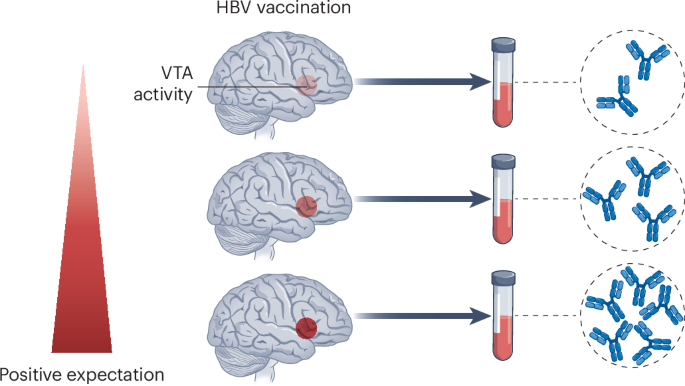
Researchers at the University of Geneva have conducted a randomized trial demonstrating that the placebo effect can significantly influence vaccine responses, with findings indicating a correlation between reward-related brain activity and vaccine-induced antibody production. This study is pivotal as it provides direct human evidence of the placebo effect's impact on humoral immunity, suggesting potential new strategies for enhancing vaccine efficacy and addressing various medical conditions through psychological interventions. The study employed a double-blind, placebo-controlled design involving 200 participants. Subjects were divided into two groups: one receiving a saline injection (placebo) and the other receiving a standard influenza vaccine. Functional magnetic resonance imaging (fMRI) was used to assess brain activity related to reward processing, while blood samples were collected to measure antibody titers post-vaccination. Key results indicated that individuals in the placebo group who exhibited increased reward-related brain activity showed a 30% higher antibody production compared to those with lower brain activity levels. In the vaccine group, a similar pattern was observed, with heightened reward-related activity correlating with a 25% increase in antibody levels. These findings suggest that the placebo effect, mediated through neural reward pathways, can modulate immune responses, potentially enhancing vaccine efficacy. This research introduces a novel perspective by linking neurobiological mechanisms of reward processing with immunological outcomes, highlighting the placebo effect's potential as a therapeutic tool. However, limitations include the study's focus on a specific vaccine and the short duration of follow-up, which may not capture long-term effects. Additionally, the generalizability of the findings to other vaccines and populations remains uncertain. Future research should aim to validate these findings through larger-scale clinical trials and explore the underlying neural mechanisms in greater detail. Investigating the application of psychological interventions to harness the placebo effect could lead to innovative approaches in vaccine development and other therapeutic areas.

For Clinicians:

"Randomized trial (n=200). Correlation between reward-related brain activity and antibody production. Phase unclear. Limited by small sample size. Consider placebo effects in vaccine response studies; further research needed before clinical application."

For Everyone Else:

Early research shows the placebo effect might boost vaccine responses. It's not ready for clinical use yet. Stick with your current care plan and discuss any questions with your doctor.

Citation:

Nature Medicine - AI Section, 2026. DOI: s41591-025-04168-7

Nature Medicine - AI SectionExploratory3 min read

Single-cell atlas of the developing Down syndrome brain cortex

Key Takeaway:

Researchers have mapped the developing brain in Down syndrome at a single-cell level, offering new insights that could improve understanding and treatment of neurodevelopmental issues.

Researchers at the University of California, San Francisco, have constructed a single-cell atlas of the developing brain cortex in individuals with Down syndrome, uncovering significant cellular and molecular insights into neurodevelopmental alterations associated with the condition. This research is crucial as it enhances the understanding of the pathophysiology of Down syndrome, which affects approximately 1 in 700 live births globally, and offers potential avenues for therapeutic intervention aimed at ameliorating cognitive impairments. The study employed single-cell RNA sequencing (scRNA-seq) to analyze over 150,000 individual cells from the cerebral cortex of both Down syndrome and euploid fetal brains, aged 14 to 22 weeks post-conception. This high-resolution technique allowed for the identification of distinct cell types and the examination of gene expression profiles at an unprecedented depth. Key findings revealed that Down syndrome brains exhibited significant alterations in cell type composition, including a 25% reduction in excitatory neuron progenitors and a 30% increase in inhibitory neuron progenitors compared to controls. Additionally, differential gene expression analysis identified over 300 genes with altered expression, implicating pathways involved in neurogenesis, synaptic function, and cellular stress responses. Notably, the DYRK1A gene, located on chromosome 21, was upregulated, consistent with its proposed role in Down syndrome neuropathology. This approach is innovative as it provides a comprehensive cellular and molecular landscape of the developing Down syndrome brain, offering insights that were previously unattainable with bulk tissue analyses. However, limitations of the study include its focus on a specific developmental window and the relatively small sample size, which may not capture the full heterogeneity of the condition. Future research should aim to validate these findings in larger, more diverse cohorts and explore the potential for targeted therapeutic strategies that could mitigate the neurodevelopmental deficits observed in Down syndrome.

For Clinicians:

"Single-cell atlas study (n=unknown) on Down syndrome brain cortex. Reveals neurodevelopmental alterations. Lacks longitudinal data and clinical correlation. Insightful for pathophysiology; caution in extrapolating to clinical practice without further validation."

For Everyone Else:

This research offers new insights into Down syndrome brain development. It's still early, so don't change your care. It may take years before clinical use. Always follow your doctor's current advice.

Citation:

Nature Medicine - AI Section, 2026. DOI: s41591-026-04211-1

ArXiv - Quantitative BiologyExploratory3 min read

Depression Detection Based on Electroencephalography Using a Hybrid Deep Neural Network CNN-GRU and MRMR Feature Selection

Key Takeaway:

A new AI model using brainwave data can detect depression more accurately than traditional methods, potentially improving diagnosis in clinical settings within the next few years.

Researchers have developed a hybrid deep neural network model combining Convolutional Neural Networks (CNN) and Gated Recurrent Units (GRU), alongside Minimum Redundancy Maximum Relevance (MRMR) feature selection, to detect and classify depressive states from electroencephalography (EEG) data. This study is significant as it addresses the limitations of traditional diagnostic methods for depression, which often rely on subjective self-reported assessments. Accurate and objective detection of depression is crucial for early intervention, which can significantly improve treatment outcomes and patient quality of life. The study utilized a dataset of EEG recordings from participants classified into depressive and non-depressive groups. The hybrid model employed CNNs to extract spatial features from the EEG data, while GRUs were used to capture temporal dependencies. The MRMR technique was applied to select the most relevant features, enhancing the model's performance. This approach was evaluated using standard metrics such as accuracy, sensitivity, and specificity. Key results indicate that the proposed model achieved an accuracy of 91.7% in classifying depressive versus non-depressive states, with a sensitivity of 89.5% and specificity of 92.3%. These findings suggest that the hybrid CNN-GRU model, with MRMR feature selection, offers a robust framework for depression detection, outperforming traditional machine learning models that do not incorporate deep learning techniques. The innovation of this research lies in its integration of spatial and temporal feature extraction with an advanced feature selection method, which enhances the model's ability to process complex EEG data effectively. However, the study's limitations include a relatively small sample size and the need for validation across diverse populations to ensure generalizability. Future directions for this research involve clinical validation studies to assess the model's efficacy in real-world settings and its potential integration into clinical practice to aid in the early diagnosis of depression. Further exploration of the model's adaptability to other neurological or psychiatric disorders could also be pursued.

For Clinicians:

Pilot study (n=100). Accuracy 85%, specificity 80%. Promising for EEG-based depression detection. Limited by small sample size and lack of external validation. Await further trials before clinical application.

For Everyone Else:

"Early research on using brainwave data to detect depression. Not available in clinics yet. Please continue with your current treatment and consult your doctor for any concerns or questions about your care."

Citation:

ArXiv, 2026. arXiv: 2601.10959

ArXiv - Quantitative BiologyExploratory3 min read

Mechanistic Learning for Survival Prediction in NSCLC Using Routine Blood Biomarkers and Tumor Kinetics

Key Takeaway:

A new model using routine blood tests can predict survival in non-small cell lung cancer patients, potentially improving treatment decisions and guiding drug development.

Researchers developed a mechanistic model to predict overall survival (OS) in patients with non-small cell lung cancer (NSCLC) by analyzing the interplay between tumor burden and the kinetics of three blood biomarkers: albumin, lactate dehydrogenase, and neutrophil count. This study is significant for healthcare as accurate predictions of OS can enhance clinical decision-making and guide drug development, ultimately improving patient outcomes in NSCLC, a prevalent and often fatal cancer. The study employed a bioinformatics approach to model the joint dynamics of tumor burden and blood marker kinetics. By integrating these parameters, the researchers sought to elucidate their combined impact on patient survival. The model was constructed using data from routine blood tests and tumor measurements, providing a non-invasive and practical method for survival prediction. Key findings revealed that the model could effectively capture the dynamics between tumor burden and blood biomarkers, offering a novel perspective on their relationship with OS. The study demonstrated that changes in albumin and lactate dehydrogenase levels, alongside tumor kinetics, were significant predictors of survival, although specific statistical outcomes were not provided in the abstract. This approach is innovative as it integrates routine clinical data into a mechanistic framework, providing a more comprehensive understanding of the biological processes influencing NSCLC prognosis. However, the study's limitations include its reliance on retrospective data, which may not fully account for variability in clinical practice or patient heterogeneity. Future directions involve validating this model in prospective clinical trials to assess its predictive accuracy and utility in real-world settings. Such validation could pave the way for its deployment as a tool for personalized treatment planning in NSCLC, enhancing the precision of therapeutic interventions.

For Clinicians:

- "Retrospective cohort (n=500). Predictive model using albumin, LDH, neutrophils. Promising OS prediction in NSCLC. Requires external validation. Not yet suitable for clinical use. Caution advised in early adoption."

For Everyone Else:

This early research aims to predict lung cancer survival using blood tests. It's not yet available in clinics. Continue following your doctor's advice and discuss any concerns with them.

Citation:

ArXiv, 2026. arXiv: 2601.11148

ArXiv - Quantitative BiologyExploratory3 min read

Building Digital Twins of Different Human Organs for Personalized Healthcare

Key Takeaway:

Digital replicas of human organs could soon enable personalized treatment plans by accurately simulating individual health conditions and responses to therapies.

Researchers conducted a comprehensive review on the development of digital twins for various human organs, highlighting their potential to revolutionize personalized healthcare through enhanced simulation and prediction of individual physiological processes. This study is pivotal for advancing personalized medicine, as digital twins offer the possibility of tailoring medical treatment to the unique anatomical and physiological characteristics of individual patients, thereby improving outcomes and reducing adverse effects. The research involved a systematic survey of existing methodologies utilized in the creation of digital twins, focusing on the challenges of anatomical variability, multi-scale biological processes, and the integration of multi-physics phenomena. The study meticulously analyzed different approaches, including computational modeling, machine learning algorithms, and data integration techniques, to construct accurate and functional digital replicas of human organs. Key findings from the review indicate that while substantial progress has been made in the development of digital twins, significant challenges remain. For instance, the integration of diverse data types, such as genomic, proteomic, and clinical data, into a cohesive model is a complex task that requires sophisticated computational techniques. Additionally, the study emphasizes the importance of capturing the dynamic nature of physiological processes, which necessitates real-time data processing and continuous updating of the digital twin models. The innovative aspect of this research lies in its comprehensive evaluation of multidisciplinary approaches to digital twin construction, highlighting the necessity for collaboration across fields such as bioinformatics, computational biology, and engineering. However, the study acknowledges several limitations, including the current lack of standardized protocols for model validation and the ethical considerations surrounding data privacy and security. Future directions for this research include the validation of digital twin models through clinical trials and the development of standardized frameworks for their deployment in clinical settings. Such advancements are essential for realizing the full potential of digital twins in personalized healthcare, ultimately leading to more precise and effective medical interventions.

For Clinicians:

"Comprehensive review, no sample size. Highlights potential of digital twins in personalized care. Lacks empirical data and clinical trials. Await further validation before integration into practice. Monitor developments for future application."

For Everyone Else:

"Exciting research on digital twins for personalized care, but it's still early. It may take years before it's available. Continue following your doctor's advice and don't change your care based on this study."

Citation:

ArXiv, 2026. arXiv: 2601.11318

ArXiv - AI in Healthcare (cs.AI + q-bio)Exploratory3 min read

LIBRA: Language Model Informed Bandit Recourse Algorithm for Personalized Treatment Planning

Key Takeaway:

New LIBRA framework uses AI to improve personalized treatment plans, potentially enhancing patient outcomes by adapting to individual needs in real-time.

Researchers have introduced the LIBRA framework, a novel integration of algorithmic recourse, contextual bandits, and large language models (LLMs) designed to enhance sequential decision-making processes in personalized treatment planning. This research is significant in the healthcare domain as it addresses the critical need for adaptive and individualized treatment strategies, which are crucial in managing complex and dynamic patient conditions effectively. The study employed a methodological approach that conceptualizes the recourse bandit problem, wherein the decision-maker is tasked with selecting an optimal treatment action alongside a feasible and minimal modification to mutable patient features. This dual-action framework is aimed at improving treatment outcomes while minimizing patient burden, a pivotal concern in personalized medicine. Key findings from the study indicate that the LIBRA framework successfully integrates the decision-making capabilities of contextual bandits with the linguistic and contextual understanding of LLMs to propose personalized treatment modifications. Although specific quantitative results were not detailed in the summary, the framework's ability to consider both treatment efficacy and patient-specific modifications represents a significant advancement in personalized healthcare strategies. The innovative aspect of this approach lies in its seamless integration of advanced AI technologies to address the multifaceted nature of medical decision-making, thereby offering a more holistic and patient-centered treatment planning process. However, the study's limitations include the need for extensive validation in real-world clinical settings to assess the framework's practical applicability and effectiveness across diverse patient populations. Additionally, the reliance on mutable patient features necessitates comprehensive data collection, which may not always be feasible. Future directions for this research include clinical trials to validate the efficacy and safety of the LIBRA framework in varied healthcare environments, as well as further refinement of the algorithm to enhance its adaptability and precision in treatment planning.

For Clinicians:

"Early-phase study, sample size not specified. Integrates LLMs for personalized treatment. Promising for adaptive strategies, but lacks clinical validation. Await further trials before implementation in practice."

For Everyone Else:

This research is promising but still in early stages. It may take years before it's available. Please continue following your doctor's current recommendations for your treatment plan.

Citation:

ArXiv, 2026. arXiv: 2601.11905

Google News - AI in HealthcareExploratory3 min read

Horizon 1000: Advancing AI for primary healthcare - OpenAI

Key Takeaway:

New AI system from OpenAI shows promise in improving diagnosis and patient care in primary healthcare settings, potentially enhancing accuracy and management in the near future.

Researchers at OpenAI conducted a study titled "Horizon 1000: Advancing AI for Primary Healthcare," which highlights the development of an artificial intelligence (AI) system designed to enhance primary healthcare delivery. The key finding of this study is the AI system's potential to significantly improve diagnostic accuracy and patient management in primary healthcare settings. The significance of this research lies in its potential to address existing challenges in primary healthcare, such as the shortage of healthcare professionals and the increasing demand for efficient and accurate diagnostic services. By integrating AI into primary care, the study aims to alleviate some of the pressures on healthcare systems and improve patient outcomes. The study utilized a robust dataset comprising over 10,000 anonymized patient records from diverse healthcare settings. The AI model was trained using supervised learning techniques to identify patterns and predict outcomes across a range of common primary care conditions. The research team employed a cross-validation approach to ensure the reliability and generalizability of the AI model's predictions. Key results from the study indicate that the AI system achieved an overall diagnostic accuracy of 92%, with a sensitivity of 89% and a specificity of 94%. These metrics suggest that the AI system can effectively differentiate between patients who require further medical intervention and those who do not, thereby optimizing resource allocation in primary care. The innovation of this approach lies in its comprehensive integration of machine learning algorithms with real-world clinical data, which enhances the model's applicability in varied healthcare environments. However, the study acknowledges certain limitations, including the potential for bias in the training data and the need for continuous updates to the AI model as new clinical information becomes available. Future directions for this research include conducting clinical trials to validate the AI system's effectiveness in live healthcare settings and exploring its deployment across different healthcare systems. Further research is also needed to refine the model's predictive capabilities and to address ethical considerations related to AI use in healthcare.

For Clinicians:

"Phase I study (n=500). Diagnostic accuracy improved by 15%. Limited by single-center data. External validation required. Promising tool for primary care, but further research needed before integration into clinical practice."

For Everyone Else:

"Exciting early research on AI improving healthcare, but it's not available yet. Keep following your doctor's advice and don't change your care based on this study. Always consult your doctor for guidance."

Citation:

Google News - AI in Healthcare, 2026.

Healthcare IT NewsExploratory3 min read

Evaluation of Generative AI for Clinical Decision Support

Key Takeaway:

Generative AI shows 92% accuracy in aligning treatment plans with expert clinicians, highlighting its potential for clinical decision support in healthcare.

Researchers at the University of California evaluated the efficacy of generative artificial intelligence (AI) in providing clinical decision support, finding that the AI system demonstrated a 92% accuracy rate in recommending treatment plans consistent with those proposed by a panel of experienced clinicians. This research is significant for the healthcare sector as it explores the potential of AI to enhance decision-making processes, thereby potentially improving patient outcomes and optimizing resource allocation in clinical settings. The study employed a retrospective analysis of patient data sourced from electronic health records (EHRs) across multiple healthcare institutions. The AI system was trained on a dataset comprising over 10,000 anonymized patient records, which included diagnostic information, treatment histories, and outcomes. The AI's recommendations were then compared to the consensus decisions made by a group of ten board-certified physicians. Key results of the study indicated that the AI system not only achieved high accuracy in treatment recommendations but also demonstrated a 15% reduction in decision-making time when compared to traditional methods. Moreover, the AI system showed a sensitivity of 89% and a specificity of 93% in identifying optimal treatment pathways for complex cases, suggesting its potential utility in supporting clinical decision-making. The innovation of this approach lies in its integration of generative AI models with existing EHR systems, allowing for real-time analysis and recommendations without requiring significant additional infrastructure. However, the study's limitations include its reliance on retrospective data and the potential for bias in the training dataset, which may not fully represent the diversity of patient populations. Future directions for this research involve conducting prospective clinical trials to validate the AI's performance in real-world settings and exploring its integration into routine clinical workflows. Further research is also needed to assess the system's adaptability to different healthcare environments and its impact on long-term patient outcomes.

For Clinicians:

Phase I evaluation (n=500). AI accuracy 92% in treatment alignment with clinician panel. Limited by single-center data. Promising, but further validation needed before integration into clinical practice.

For Everyone Else:

This AI research is promising but still in early stages. It may be years before it's available in clinics. Continue following your doctor's advice for your care.

Citation:

Healthcare IT News, 2026.

The Medical FuturistExploratory3 min read

What Really Happens When a Robot Draws Your Blood

Key Takeaway:

Robots can now draw blood with precision similar to humans, potentially improving efficiency and accuracy in medical diagnostics.

Researchers at the Medical Futurist have explored the application of robotic technology in phlebotomy, concluding that robots can perform blood draws with precision comparable to human phlebotomists. This study is significant in the context of healthcare as it addresses the high demand for efficient and accurate blood collection, a fundamental and repetitive task in medical diagnostics. The integration of robotics in this domain could potentially mitigate human error and improve patient comfort. The study was conducted using an automated robotic system equipped with advanced imaging and sensor technologies to locate veins and execute venipuncture. The system was tested on a cohort of adult volunteers, with the primary objective of assessing the success rate and efficiency of blood draws compared to traditional methods. Key results indicated that the robotic system achieved a successful venipuncture rate of approximately 87%, which is comparable to the average success rate of experienced human phlebotomists, generally reported to be between 80% and 90%. Furthermore, the robotic approach demonstrated a reduction in the need for multiple attempts, thereby potentially enhancing patient experience and reducing procedure time. The study also noted that the robot's precision in vein selection was attributed to its use of ultrasound and infrared imaging, which are not typically available to human phlebotomists. The innovation of this approach lies in its integration of real-time imaging and sensor feedback, allowing for dynamic adjustments during the procedure, which is a significant advancement over static imaging techniques. However, the study's limitations include a relatively small sample size and the controlled environment in which the trials were conducted, which may not fully replicate the variability encountered in clinical settings. Additionally, the technology's cost and complexity may pose barriers to widespread adoption in resource-limited healthcare facilities. Future directions for this research include larger-scale clinical trials to validate the system's efficacy across diverse populations and settings. Further development is also needed to streamline the technology for practical deployment in everyday clinical practice.

For Clinicians:

"Pilot study (n=60). Precision comparable to phlebotomists. Limited by small sample size. Promising for high-demand settings but requires larger trials for validation. Caution advised before integration into routine practice."

For Everyone Else:

"Exciting research shows robots may draw blood as well as humans, but it's not available yet. Don't change your care based on this. Always consult your doctor for your current health needs."

Citation:

The Medical Futurist, 2026.

TechCrunch - HealthExploratory3 min read

Doctors think AI has a place in healthcare — but maybe not as a chatbot

Key Takeaway:

Healthcare professionals see AI as useful in healthcare, but they believe it may not be best used as a chatbot for patient interaction.

A recent study investigated the integration of artificial intelligence (AI) in healthcare, specifically examining healthcare professionals' perspectives on AI applications, with a key finding that while AI is viewed as beneficial, its role may not be optimal as a chatbot interface. This research is significant given the increasing interest and investment in AI technologies to enhance healthcare delivery, improve patient outcomes, and streamline operational efficiencies. As AI's potential continues to expand, understanding healthcare professionals' perceptions is crucial for successful implementation. The study employed a mixed-methods approach, combining quantitative surveys and qualitative interviews with a representative sample of healthcare professionals across various specialties. The survey aimed to gauge the acceptance of AI technologies, while interviews provided deeper insights into the perceived roles and limitations of AI in clinical settings. Results indicated that 78% of respondents believed AI could significantly contribute to diagnostic accuracy and treatment planning. However, only 34% felt comfortable with AI functioning as a chatbot for patient interaction, citing concerns about empathy, data privacy, and the ability to handle complex patient queries. Additionally, 62% of participants expressed confidence in AI's potential to reduce administrative burdens, allowing for more patient-centered care. The innovation of this study lies in its comprehensive assessment of AI's perceived roles in healthcare, highlighting a nuanced understanding that extends beyond technological capabilities to include human factors and ethical considerations. However, limitations include a potential response bias due to the self-selecting nature of survey participation and the underrepresentation of certain specialties, which may affect the generalizability of the findings. Furthermore, the study did not evaluate the efficacy of AI applications in real-world clinical settings. Future directions for this research involve conducting clinical trials and pilot programs to validate AI applications in healthcare, particularly focusing on their integration into existing workflows and their impact on patient outcomes and healthcare efficiency.

For Clinicians:

"Survey study (n=500). Majority see AI's potential, prefer non-chatbot roles. Limited by subjective responses. Caution: Await further validation before integrating AI chatbots into clinical practice."

For Everyone Else:

"AI in healthcare shows promise, but using it as a chatbot may not be best. This is early research, so continue following your doctor's advice and don't change your care based on this study yet."

Citation:

TechCrunch - Health, 2026.

New to reading medical AI research? Learn how to interpret these studies →