Mednosis LogoMednosis

Digital Health

RSS

1 research item tagged with "digital-health"

The Medical FuturistExploratory3 min read

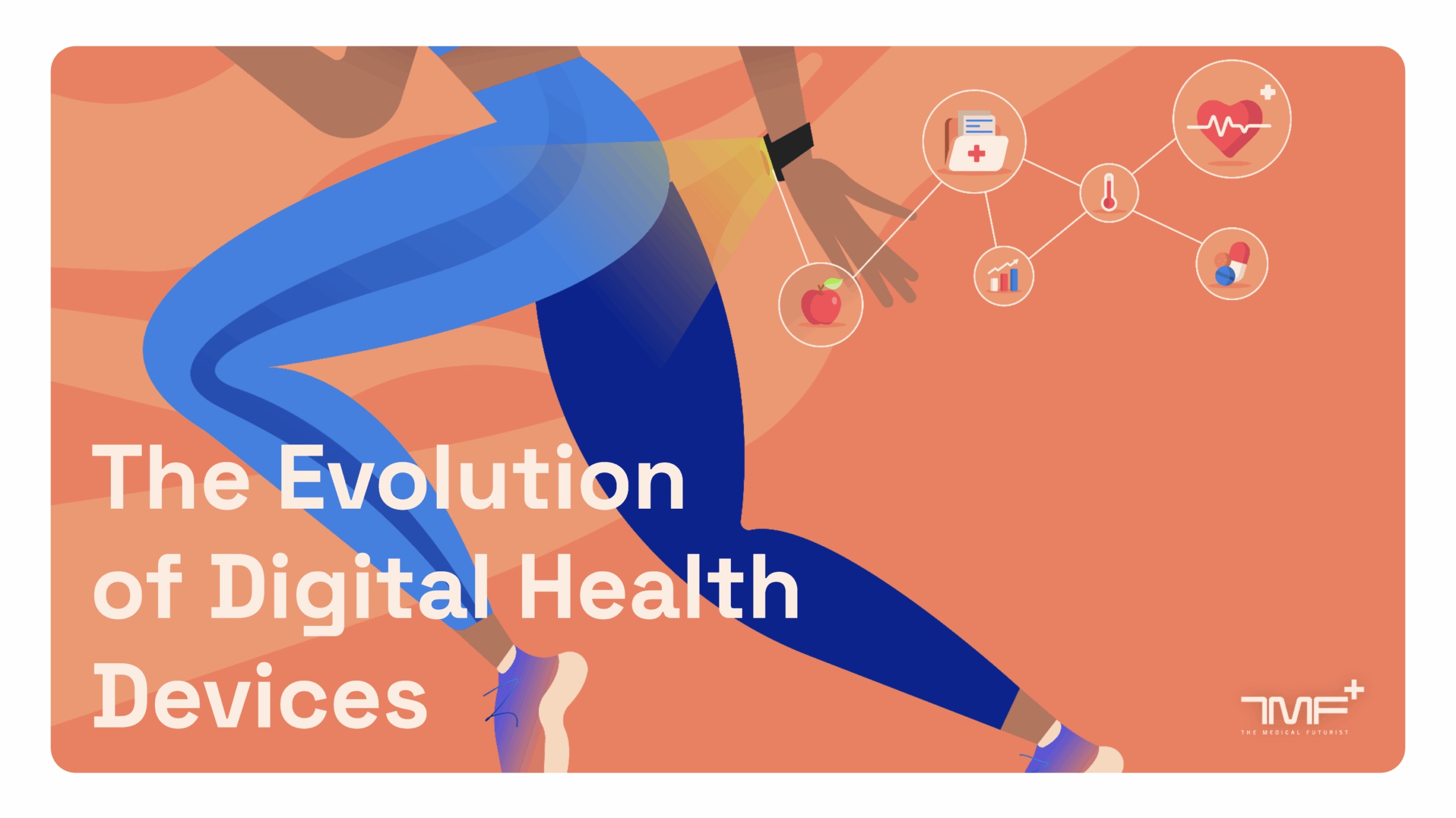
The Evolution of Digital Health Devices: New Executive Summary!

Key Takeaway:

Healthcare professionals need to bridge the knowledge gap on rapidly advancing digital health devices to effectively integrate them into patient care.

The study conducted by researchers at The Medical Futurist examines the rapid evolution of digital health devices, highlighting a significant gap between technological advancements and the dissemination of knowledge regarding these innovations. This research is critical for healthcare systems and medical professionals as it underscores the need for efficient knowledge transfer mechanisms to keep pace with the swiftly advancing digital health technologies, which are pivotal in improving patient outcomes and healthcare delivery. The study employed a comprehensive review methodology, analyzing current trends and developments in digital health devices. It involved an extensive literature review of recent publications, market analyses, and expert interviews to identify key advancements and challenges in the field. Key findings from the research reveal that digital health devices, including wearable health monitors and telemedicine platforms, have seen an unprecedented growth rate, with the global market projected to reach $295 billion by 2028, expanding at a compound annual growth rate (CAGR) of 28.5%. Furthermore, the study highlights that while technological capabilities have advanced, the integration of these devices into clinical practice remains inconsistent, with only 40% of healthcare providers in developed countries having fully adopted digital health solutions. The innovation presented in this study lies in its holistic approach to understanding the digital health landscape, combining technological insights with practical implementation challenges. This approach provides a comprehensive framework for stakeholders to navigate the complexities of digital health integration. However, the study acknowledges several limitations, including the reliance on secondary data sources, which may not fully capture the nuances of real-world application, and the potential bias in expert opinions. Additionally, the rapidly changing nature of digital health technology may render some findings obsolete over time. Future directions for this research include conducting longitudinal studies to assess the long-term impact of digital health devices on patient outcomes and healthcare efficiency. Furthermore, there is a need for clinical trials to validate the efficacy and safety of these technologies, as well as strategic initiatives to enhance the adoption and integration of digital health solutions across diverse healthcare settings.

For Clinicians:

"Descriptive study. Highlights tech-knowledge gap. No sample size or metrics provided. Limitations: lacks empirical data. Urges improved knowledge transfer. Caution: Evaluate device claims critically before integration into practice."

For Everyone Else:

"Digital health devices are evolving fast, but knowledge isn't spreading as quickly. This research is early, so don't change your care yet. Always discuss any new options with your doctor."

Citation:

The Medical Futurist, 2025.