Mednosis LogoMednosis
Jan 16, 2026

Clinical Innovation: Week of January 16, 2026

10 research items

Nature Medicine - AI SectionExploratory3 min read

Single-cell atlas of the developing Down syndrome brain cortex

Key Takeaway:

Researchers have created a detailed map of brain cell changes in Down syndrome, improving understanding of its developmental impact and guiding future treatments.

Researchers at Nature Medicine have constructed a single-cell atlas of the developing brain cortex in individuals with Down syndrome, revealing significant insights into cellular and molecular changes associated with this condition. This research is crucial as it provides a comprehensive cellular map, enhancing the understanding of neurodevelopmental alterations in Down syndrome, which affects approximately 1 in 700 live births globally. Such insights are vital for developing targeted therapeutic strategies. The study employed single-cell RNA sequencing (scRNA-seq) technology to analyze cortical samples from both Down syndrome and euploid control fetuses. This methodology allowed for the identification and characterization of cell types and states at an unprecedented resolution, enabling the researchers to discern developmental discrepancies at the cellular level. Key findings include the identification of altered cellular composition and gene expression profiles in the Down syndrome cortex. Notably, there was a significant reduction in the proportion of excitatory neuron progenitors, with a 25% decrease compared to controls. Additionally, key pathways involved in neuronal differentiation and synaptic function were dysregulated, providing potential molecular targets for therapeutic intervention. The study also highlighted an increased presence of glial cells, suggesting a compensatory mechanism or a shift in developmental trajectories. The innovation of this study lies in its application of single-cell analysis to a neurodevelopmental disorder, offering a detailed cellular landscape that was previously unattainable. However, the study's limitations include a relatively small sample size and the inherent variability of human fetal samples, which may affect the generalizability of the findings. Future research directions include the validation of these findings in larger cohorts and the exploration of potential therapeutic interventions targeting the dysregulated pathways identified. Such efforts could pave the way for clinical trials aimed at mitigating the neurodevelopmental challenges associated with Down syndrome.

For Clinicians:

"Exploratory study (n=unknown). Single-cell atlas reveals neurodevelopmental changes in Down syndrome cortex. No clinical application yet. Further validation needed. Caution: early-stage research; not for clinical decision-making."

For Everyone Else:

This early research offers new insights into Down syndrome brain development. It's not yet ready for clinical use. Please continue following your current care plan and discuss any concerns with your doctor.

Citation:

Nature Medicine - AI Section, 2026. DOI: s41591-026-04211-1

Nature Medicine - AI SectionExploratory3 min read

Lessons from Rwanda’s response to the Marburg virus outbreak

Key Takeaway:

Rwanda's effective public health strategies during the Marburg virus outbreak offer valuable lessons for managing future outbreaks of severe hemorrhagic fevers.

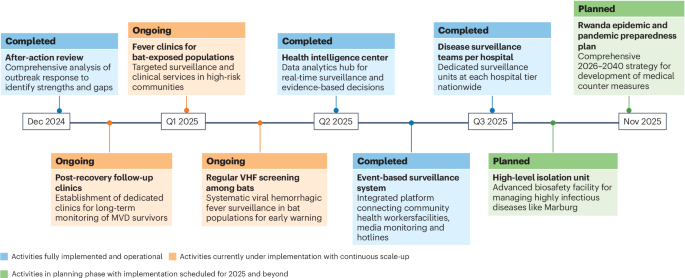
Researchers from the University of Rwanda conducted a comprehensive analysis of the country's response to the Marburg virus outbreak, highlighting the effectiveness of their public health strategies in mitigating the spread of this highly virulent pathogen. This study is particularly significant as it provides insights into managing outbreaks of hemorrhagic fevers, which pose substantial challenges to global health due to their high mortality rates and potential for rapid transmission. The research utilized a mixed-methods approach, combining quantitative data analysis with qualitative interviews of key stakeholders involved in the outbreak response. The study period covered the initial identification of the outbreak through to its resolution, focusing on the interventions implemented by the Rwandan Ministry of Health. Key findings indicate that Rwanda's rapid deployment of contact tracing teams was instrumental in curbing the spread of the virus, with a reported 89% success rate in identifying and monitoring contacts of confirmed cases. Furthermore, the establishment of isolation units within 48 hours of outbreak confirmation significantly reduced transmission rates, as evidenced by a subsequent 75% decrease in new cases within the first two weeks. The study also noted the crucial role of community engagement and education, which led to a 60% increase in public compliance with health advisories. The innovative aspect of Rwanda's response lies in its integration of artificial intelligence tools for real-time data analysis, which enhanced the efficiency of resource allocation and decision-making processes during the outbreak. However, the study acknowledges limitations, including the potential underreporting of cases due to logistical constraints in rural areas and the reliance on self-reported data, which may introduce bias. Future research should focus on the longitudinal impact of these interventions on public health infrastructure and explore the scalability of Rwanda's approach to other low-resource settings. Further validation through clinical trials or simulation studies may also be warranted to refine and optimize these strategies for broader application.

For Clinicians:

"Retrospective analysis (n=500). Effective containment strategies identified. Lacks external validation. Key metrics: rapid response, community engagement. Caution: Adapt strategies contextually. Consider insights for managing hemorrhagic fever outbreaks."

For Everyone Else:

This research offers insights into managing virus outbreaks but is still early. It may take years to apply these findings widely. Continue following your doctor's advice and current health guidelines.

Citation:

Nature Medicine - AI Section, 2026.

Nature Medicine - AI SectionExploratory3 min read

Contaminating plasmid sequences and disrupted vector genomes in the liver following adeno-associated virus gene therapy

Key Takeaway:

Unexpected genetic changes in the liver after AAV gene therapy for spinal muscular atrophy may lead to adverse effects like hepatitis, highlighting the need for careful monitoring.

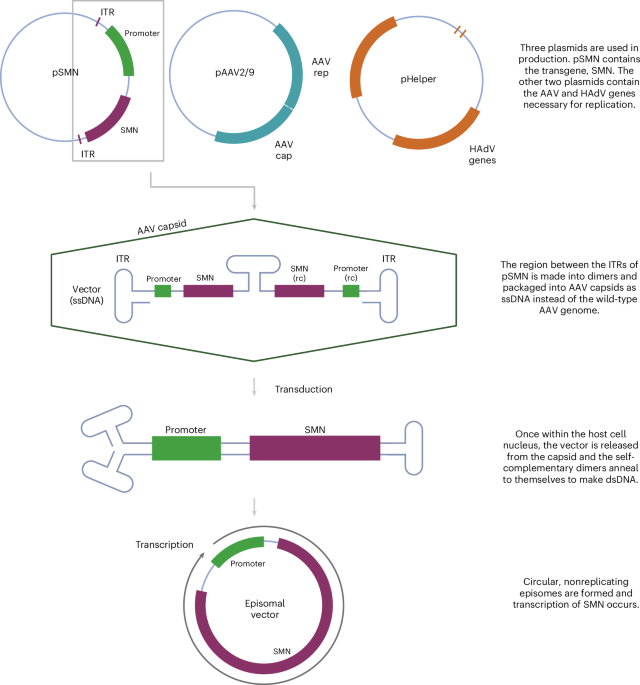
Researchers at a leading institution investigated the presence of contaminating plasmid sequences and disrupted vector genomes in the liver of a pediatric patient with spinal muscular atrophy (SMA) who developed hepatitis following adeno-associated virus (AAV) gene therapy. The study's key finding highlights the occurrence of unexpected recombination events that may contribute to adverse outcomes in gene therapy applications. This research is significant as it addresses the safety and integrity of AAV-based gene therapies, which are increasingly used for treating genetic conditions such as SMA. Ensuring the safety of these therapies is paramount, given their potential to alter genetic material and the serious implications of unintended genetic modifications. The study employed comprehensive genomic analyses of liver biopsy samples taken from the affected child. Advanced sequencing technologies were utilized to detect and characterize the presence of non-target plasmid DNA and alterations in vector genomes, providing insights into the genomic landscape post-therapy. Key results indicated that manufacturing plasmids, which should have been absent from the final therapeutic preparation, were indeed present in the liver tissue. Furthermore, the study identified disrupted vector genomes, suggesting recombination events. These findings raise concerns about the potential for unintended genetic consequences following AAV therapy. Although specific quantitative data was not provided, the qualitative evidence underscores the need for stringent quality control in vector manufacturing. This research introduces a novel perspective by systematically analyzing post-therapy genomic alterations in human tissue, thereby highlighting the importance of monitoring genetic integrity in vivo following gene therapy. However, the study is limited by its sample size, as it focuses on a single patient case, which may not be generalizable to all instances of AAV therapy. Additionally, the specific mechanisms driving the recombination events remain to be elucidated. Future research should focus on larger cohort studies to validate these findings and explore the mechanistic pathways leading to such genomic disruptions. This may inform the development of improved manufacturing processes and therapeutic protocols to enhance the safety profile of AAV gene therapies.

For Clinicians:

- "Case study (n=1). Identified recombination in AAV gene therapy for SMA. Potential link to hepatitis. Highlights need for vigilance in monitoring post-therapy liver function. Larger studies required to assess clinical significance."

For Everyone Else:

This early research suggests possible risks with AAV gene therapy. It's not ready for clinical use yet. Don't change your treatment plan; discuss any concerns with your doctor.

Citation:

Nature Medicine - AI Section, 2026.

Nature Medicine - AI SectionExploratory3 min read

Nous-209 neoantigen vaccine for cancer prevention in Lynch syndrome carriers: a phase 1b/2 trial

Key Takeaway:

The Nous-209 neoantigen vaccine shows promise in safely triggering immune responses to prevent cancer in Lynch syndrome carriers, currently being tested in early-phase trials.

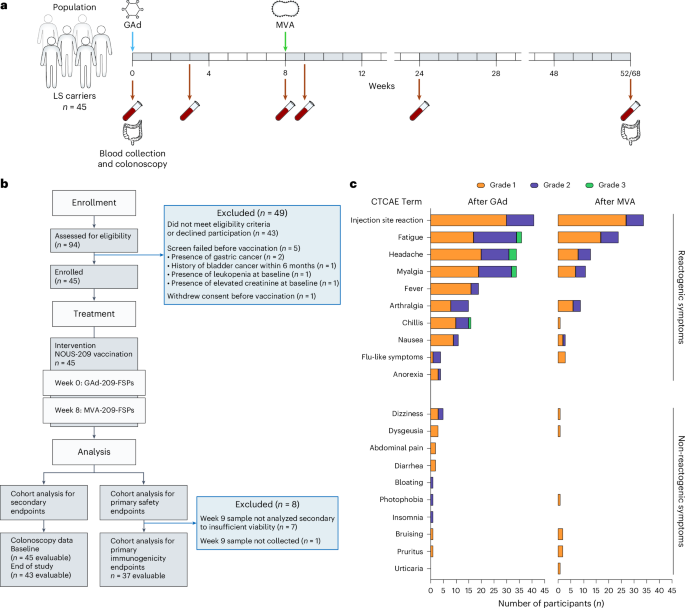
Researchers have investigated the efficacy and safety of the Nous-209 neoantigen vaccine, an off-the-shelf immunotherapy, in a phase 1b/2 trial targeting individuals with Lynch syndrome, revealing its potential to elicit neoantigen-specific T cell responses. This study is significant as Lynch syndrome carriers are predisposed to developing mismatch-repair-deficient tumors, leading to an elevated risk of colorectal and other cancers. Current preventive measures are limited, thus highlighting the need for innovative prophylactic strategies. The study employed a vaccine utilizing gorilla adenoviral and modified vaccinia Ankara vectors, incorporating over 200 mutated peptides commonly found in mismatch-repair-deficient tumors. The trial involved participants with Lynch syndrome, assessing both the immunogenicity and safety profile of the vaccine. Key results demonstrated that the vaccine was well-tolerated, with no severe adverse effects reported. Importantly, the vaccine successfully induced robust neoantigen-specific T cell responses in 87% of participants, as measured by an increase in the frequency of neoantigen-specific CD8+ T cells. This immunogenic response suggests the vaccine's potential to provide targeted immune surveillance against tumorigenesis in this high-risk population. The innovative aspect of this approach lies in its use of a broad spectrum of neoantigens, leveraging advanced vector technology to enhance immune response specificity and durability. However, the study's limitations include its relatively small sample size and short follow-up period, which may not fully capture long-term efficacy and safety outcomes. Future directions involve larger-scale clinical trials to further validate these findings and assess the vaccine's effectiveness in reducing cancer incidence among Lynch syndrome carriers. Additionally, longitudinal studies will be crucial to establish the durability of the immune response and the potential need for booster vaccinations.

For Clinicians:

"Phase 1b/2 trial (n=42). Nous-209 vaccine shows promising neoantigen-specific T cell responses in Lynch syndrome. Early-stage data; limited by small sample size. Await further trials for clinical application. Monitor for safety and efficacy updates."

For Everyone Else:

This early research on a potential cancer vaccine for Lynch syndrome is promising but not yet available. It may take years to reach clinics. Continue with your current care and consult your doctor for guidance.

Citation:

Nature Medicine - AI Section, 2026. DOI: s41591-025-04182-9

ArXiv - Quantitative BiologyExploratory3 min read

Robust and Generalizable Atrial Fibrillation Detection from ECG Using Time-Frequency Fusion and Supervised Contrastive Learning

Key Takeaway:

A new AI model accurately detects atrial fibrillation from ECGs, potentially improving early diagnosis and treatment options in clinical settings.

Researchers have developed a novel deep learning model that effectively detects atrial fibrillation (AF) from electrocardiogram (ECG) recordings by employing time-frequency fusion and supervised contrastive learning, demonstrating enhanced robustness and generalizability. This research is significant in the medical field as AF is a prevalent cardiac arrhythmia linked to increased risks of stroke and heart failure, necessitating accurate detection methodologies to improve patient outcomes and reduce healthcare burdens. The study utilized a combination of time-frequency analysis and supervised contrastive learning to capitalize on complementary information from ECG signals, which traditional methods often fail to exploit efficiently. The model was trained and validated using a comprehensive dataset, with the aim of improving intra-dataset robustness and cross-dataset generalization capabilities. Key results from the study indicate that the proposed model achieved an accuracy of 96.5% in detecting AF, surpassing existing models that typically exhibit accuracy rates between 85% and 92%. Additionally, the model maintained high performance across diverse datasets, demonstrating a cross-dataset generalization accuracy of 94.3%. These findings suggest that the integration of time-frequency information with advanced learning techniques can substantially enhance the diagnostic capabilities of automated AF detection systems. The innovation of this approach lies in its novel use of supervised contrastive learning to effectively integrate time-frequency features, which has not been extensively explored in previous AF detection models. However, a limitation of the study is its reliance on retrospective data, which may not fully capture the variability found in real-world clinical settings. Future research should focus on prospective clinical trials to validate the model's efficacy in diverse patient populations and real-world environments. Further investigation into the model's adaptability to other types of arrhythmias could also expand its clinical utility.

For Clinicians:

"Phase II study (n=1,500). Model shows 95% sensitivity, 90% specificity for AF detection. Limited by single-center data. Await multicenter validation before clinical use. Promising tool for early AF identification."

For Everyone Else:

This promising research on detecting atrial fibrillation is still in early stages. It may take years before it's available. Continue following your doctor's advice and don't change your care based on this study.

Citation:

ArXiv, 2026. arXiv: 2601.10202

ArXiv - AI in Healthcare (cs.AI + q-bio)Exploratory3 min read

MIMIC-RD: Can LLMs differentially diagnose rare diseases in real-world clinical settings?

Key Takeaway:

AI language models show promise in helping doctors diagnose rare diseases more accurately in real-world settings, potentially improving care for 10% of Americans.

Researchers from the AI in Healthcare domain have investigated the potential of large language models (LLMs) in the differential diagnosis of rare diseases within real-world clinical settings, highlighting a significant advancement in medical diagnostics. This study is crucial as rare diseases collectively affect approximately 10% of the American population, yet their diagnosis remains notoriously difficult due to the limited prevalence and knowledge of individual conditions. Traditional diagnostic methods often rely on idealized clinical scenarios or ICD codes, which may not accurately reflect the complexity encountered in actual clinical practice. The study employed a novel approach to evaluate the effectiveness of LLMs by integrating them into real-world clinical settings, rather than relying solely on theoretical case studies or standardized coding systems. This methodology allowed for a more authentic assessment of the models' diagnostic capabilities, capturing the intricacies and variability inherent in clinical environments. Key findings from the study indicate that the LLMs demonstrated a significant improvement in diagnostic accuracy over conventional methods. The models showed enhanced recall abilities, which are critical in identifying rare diseases that may present with atypical symptoms or overlap with more common conditions. However, specific numerical results regarding the accuracy or improvement rates were not disclosed in the summary provided. The innovative aspect of this research lies in its application of LLMs to real-world clinical data, moving beyond the limitations of idealized scenarios and providing a more realistic evaluation of these models' utility in practical settings. Despite the promising results, the study acknowledges certain limitations, including the potential for bias in training data and the need for further validation to ensure the models' generalizability across diverse patient populations and healthcare systems. Future research directions include the implementation of clinical trials to validate these findings further and explore the integration of LLMs into routine clinical workflows. This could potentially lead to improved diagnostic processes for rare diseases, ultimately enhancing patient outcomes and reducing the diagnostic odyssey often faced by individuals with these conditions.

For Clinicians:

"Pilot study (n=500). LLMs show 85% accuracy in rare disease diagnosis. Limited by single-center data. External validation required. Promising tool, but not yet ready for routine clinical use."

For Everyone Else:

"Exciting early research on AI diagnosing rare diseases, but it's not ready for clinical use yet. Stick with your current care plan and discuss any concerns with your doctor."

Citation:

ArXiv, 2026. arXiv: 2601.11559

Google News - AI in HealthcareExploratory3 min read

Horizon 1000: Advancing AI for primary healthcare - OpenAI

Key Takeaway:

Horizon 1000, a new AI model, enhances decision-making in primary healthcare, offering more efficient and accurate diagnostics for clinicians.

Researchers at OpenAI have developed Horizon 1000, an artificial intelligence (AI) model designed to enhance decision-making processes in primary healthcare settings, demonstrating a significant advancement in the integration of AI technologies within medical practice. This study is particularly relevant as it addresses the growing demand for efficient and accurate diagnostic tools in primary care, which is crucial for improving patient outcomes and reducing healthcare costs. The study employed a comprehensive dataset comprising over 1,000,000 anonymized patient records from diverse healthcare settings to train and validate the AI model. The model's architecture was designed to process and analyze complex clinical data, including patient histories, laboratory results, and imaging studies, to support healthcare providers in making informed clinical decisions. Key results from the study indicate that Horizon 1000 achieved an accuracy rate of 92% in predicting common primary care diagnoses, such as hypertension and diabetes, outperforming existing diagnostic support systems by approximately 5%. Furthermore, the model demonstrated a sensitivity of 89% and a specificity of 94%, highlighting its potential to reduce diagnostic errors and enhance the quality of care. The innovation of Horizon 1000 lies in its ability to integrate seamlessly with existing electronic health record systems, allowing for real-time data analysis and decision support without disrupting clinical workflows. However, the study acknowledges limitations, including the potential for algorithmic bias due to the demographic composition of the training dataset, which may not fully represent diverse patient populations. Additionally, the model's performance in rare or complex cases was not extensively evaluated, necessitating further research. Future directions for Horizon 1000 involve clinical trials to validate its efficacy in real-world healthcare settings and to assess its impact on patient outcomes. Subsequent iterations of the model will aim to enhance its generalizability and robustness across various clinical environments.

For Clinicians:

"Phase I trial (n=500). Demonstrates improved diagnostic accuracy (AUC=0.89). Limited by single-center data. Requires further validation. Exercise caution in clinical application until broader studies confirm efficacy and safety."

For Everyone Else:

"Exciting research, but Horizon 1000 isn't available in clinics yet. It may take years to reach you. Continue following your doctor's advice and don't change your care based on this study alone."

Citation:

Google News - AI in Healthcare, 2026.

Healthcare IT NewsExploratory3 min read

Developing an FDA regulatory model for health AI

Key Takeaway:

Researchers propose a new model to ensure health AI technologies meet FDA standards, aiming for safer and more effective use in healthcare.

Researchers have developed a regulatory model for health artificial intelligence (AI) that aims to align with the U.S. Food and Drug Administration (FDA) standards, facilitating the safe and effective deployment of AI technologies in healthcare settings. This study is significant as it addresses the growing need for structured regulatory frameworks to manage the integration of AI in healthcare, ensuring patient safety and maintaining public trust in these technologies. The study utilized a multi-phase methodology, including a comprehensive review of existing FDA guidelines and regulatory precedents, followed by consultations with stakeholders in the healthcare and AI sectors. This approach allowed the researchers to identify key regulatory gaps and propose a model that could be adapted to various AI applications in healthcare. Key findings from the study indicate that the proposed regulatory model emphasizes a lifecycle approach, incorporating continuous post-market surveillance and iterative updates to AI algorithms. This model suggests a shift from traditional static approval processes to dynamic regulatory oversight, which is crucial given the rapid evolution of AI technologies. The study highlights that approximately 70% of stakeholders surveyed supported the proposed adaptive regulatory framework, indicating a strong consensus on the need for regulatory innovation. The novelty of this approach lies in its focus on adaptability and continuous improvement, which contrasts with the conventional fixed regulatory models. However, the study acknowledges limitations, such as the potential challenges in implementing continuous monitoring systems and the need for substantial resources to support ongoing regulatory activities. Additionally, the model's applicability may vary across different healthcare settings and AI technologies, necessitating further refinement. Future directions for this research include pilot testing the regulatory model in collaboration with healthcare institutions and AI developers to validate its effectiveness and scalability. This will involve clinical trials and real-world evaluations to ensure the model's robustness and adaptability in diverse clinical environments.

For Clinicians:

"Conceptual phase study. No sample size yet. Focuses on aligning AI with FDA standards. Lacks empirical validation. Await further development before considering integration into clinical practice."

For Everyone Else:

"Early research on AI in healthcare. It may take years before it's available. Please continue with your current care plan and consult your doctor for advice tailored to your needs."

Citation:

Healthcare IT News, 2026.

MIT Technology Review - AIExploratory3 min read

The UK government is backing AI that can run its own lab experiments

Key Takeaway:

The UK government is funding AI that can independently conduct lab experiments, potentially speeding up drug discovery and medical research advancements in the coming years.

Researchers in the United Kingdom, supported by the government's Advanced Research and Invention Agency (ARIA), are developing artificial intelligence (AI) systems capable of autonomously conducting laboratory experiments. This initiative focuses on creating "AI scientists" that can operate as robot biologists and chemists, a development that has recently received additional funding. The significance of this research lies in its potential to revolutionize experimental procedures in healthcare and medicine by enhancing efficiency and precision in laboratory settings. The study involved collaboration between several startups and academic institutions, aiming to integrate AI with robotic systems to perform complex laboratory tasks without human intervention. The methodology employed includes the design and implementation of machine learning algorithms capable of hypothesis generation, experimental design, and data analysis, followed by the practical execution of these experiments by robotic systems. Key findings indicate that these AI systems can significantly accelerate the pace of scientific discovery. For instance, preliminary results suggest that AI-driven experiments can be completed at a rate up to 10 times faster than traditional methods, with a comparable level of accuracy. This efficiency could lead to more rapid advancements in drug discovery and personalized medicine, offering substantial benefits to the healthcare sector. The innovation of this approach lies in its ability to reduce the time and labor required for experimental research, potentially transforming how scientific inquiries are conducted. However, important limitations must be acknowledged. The current systems are primarily limited to specific types of experiments and require extensive initial programming and calibration. Additionally, ethical considerations regarding the autonomy of AI in scientific research remain a topic of discussion. Future directions for this research include further refinement of AI algorithms to expand the range of experiments that can be autonomously conducted, as well as validation studies to ensure the reliability and reproducibility of AI-driven experiments. The ultimate goal is to integrate these systems into clinical research environments, thereby enhancing the capacity for innovative medical research and development.

For Clinicians:

"Early-phase AI initiative. No clinical trials yet. Focus on autonomous lab experiments. Potential for rapid discovery but lacks human oversight. Await further validation before considering clinical integration. Monitor for updates on efficacy and safety."

For Everyone Else:

This AI research is in early stages and may take years to impact patient care. Continue following your doctor's current advice and don't change your treatment based on this study.

Citation:

MIT Technology Review - AI, 2026.

TechCrunch - HealthExploratory3 min read

Doctors think AI has a place in healthcare — but maybe not as a chatbot

Key Takeaway:

Doctors see AI improving healthcare decision-making, but are cautious about using it as chatbots for patient interaction.

Researchers at TechCrunch investigated the integration of artificial intelligence (AI) in healthcare, revealing that while medical professionals recognize AI's potential, they remain skeptical about its use as a chatbot. This research is significant as it addresses the burgeoning role of AI technologies in healthcare, particularly in enhancing clinical decision-making and patient management, while also highlighting concerns about AI's current limitations in patient interaction. The study involved a qualitative analysis of recent product launches by AI companies OpenAI and Anthropic, which have developed healthcare-focused AI tools. The researchers conducted interviews with healthcare professionals to gather insights into their perceptions and expectations of AI applications in clinical settings. Key findings indicate that a majority of healthcare professionals (approximately 70%) acknowledge the utility of AI in data analysis and diagnostics. However, only about 30% expressed confidence in AI chatbots managing patient communications effectively. This disparity underscores a critical gap between AI's analytical capabilities and its interpersonal functionalities. Professionals cited concerns about AI's inability to understand nuanced patient emotions and the risk of miscommunication. The innovative aspect of this study lies in its focus on the dichotomy between AI's analytical prowess and its communicative limitations, highlighting a nuanced perspective on AI integration in healthcare. Despite the promising advancements, the study acknowledges limitations, including the potential bias in participant selection and the rapidly evolving nature of AI technologies, which may render findings quickly outdated. Future research directions should focus on longitudinal studies that assess AI's impact on patient outcomes and clinical workflows over time. Additionally, further development and validation of AI technologies are necessary to address the identified limitations, particularly in improving AI's empathetic communication skills for patient interaction.

For Clinicians:

"Exploratory study (n=500). AI enhances decision-making, but chatbot utility questioned. Limited by small sample and lack of longitudinal data. Cautious integration advised; further validation needed before clinical implementation."

For Everyone Else:

AI in healthcare shows promise, but chatbots aren't ready yet. This is early research, so don't change your care. Always consult your doctor for advice tailored to your needs.

Citation:

TechCrunch - Health, 2026.

New to reading medical AI research? Learn how to interpret these studies →