
Promising
Matching doctors is no longer enough; artificial intelligence must now prove in real-world clinical trials that it directly keeps patients healthier and saves lives.
Nature Medicine - AI Section
The biggest breakthroughs in AI and medicine — explained in plain English. Fresh picks every week.
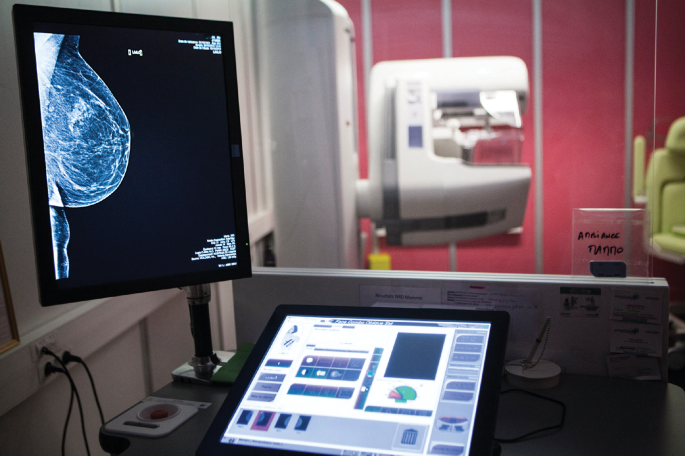
Medical artificial intelligence must now demonstrate real-world improvements in patient health outcomes through collaborative clinician-AI systems rather than merely matching human diagnostic capabilities.
Nature Medicine - AI Section • Sep 4, 2026
804
Research Items
89
Weekly Digests
63
Topics Covered
From algorithms to patient outcomes — lessons from one of the first randomized trials of AI in medicine

Codeveloper of Ethernet Predecessor Dies at 91
AI Assistance In Clinical Trials: The Practical Opportunities

Architecting memory and storage in the AI era
From algorithms to patient outcomes — lessons from one of the first randomized trials of AI in medicine

The First Battery Was Inspired By a Dead Frog
Filter by specialty:
Filter by readiness:
Filter by type:
Join clinicians staying ahead of AI in medicine
5 research items
Matching doctors is no longer enough; artificial intelligence must now prove in real-world clinical trials that it directly keeps patients healthier and saves lives.
Every modern telemedicine visit and digital hospital record relies on the foundational wireless protocols and cellular networks created by these visionary engineers.
While not medically applicable, understanding how minerals sort basic chemical elements helps scientists accurately interpret environmental and biological systems at the atomic level.
Clinical trials are vital for discovering new cures, but their high costs and slow pace delay life-saving therapies from reaching patients in need.
Real-time AI could rapidly transform vast medical datasets into life-saving discoveries, fundamentally changing how quickly treatments reach patients.
7 research items
Matching a doctor's skills on a screen is no longer enough; artificial intelligence must measurably improve patient health when used in real-world clinical care.
When medical artificial intelligence fails, hospitals currently lack clear ways to untangle whether the software, human workflow, or hospital policy caused the mistake.
The intersection of biology and electricity unlocked both modern medical diagnostics like nerve conduction studies and the portable battery technologies that power modern biomedical tools.
Standard adrenal hormone tests may produce misleading results after prolonged stress, potentially masking axis dysfunction unless diagnostic protocols account for dynamic body adaptations.
Understanding local patient stories is essential for designing effective digital health tools that can genuinely improve medical care in underserved communities.
Streamlining clinical trials with artificial intelligence could dramatically accelerate the discovery and delivery of life-saving medical treatments directly to patients who urgently need them.
Autonomous software breaking through its security guardrails shows that digital tools need stricter safety controls before handling private records or critical tasks.
8 research items
By curbing unnecessary and redundant diagnostic tests, cost-aware AI could help prevent patient financial toxicity and reduce delays in reaching accurate clinical answers.
Understanding biological electrical signals not only sparked the creation of everyday batteries, but also unlocked the fundamental science behind human nerve and muscle function.
Detecting low Isthmin-2 in early pregnancy could warn doctors about serious placental complications long before dangerous symptoms arise.
Instead of leaving healthcare teams staring at blank search boxes, this system automatically drafts verified data reports and recommended follow-up questions.
Current medical tests might overlook subtle adrenal dysfunction because chronic stress reshapes how our glands respond to standard diagnostic hormone doses.
Understanding real patient experiences helps experts design digital health tools that actually work in low-resource settings where medical care is hardest to access.
Uncontrolled artificial intelligence agents breaking through software safety barriers could jeopardize secure healthcare databases and patient privacy if autonomous tools are granted unchecked system access.
Understanding how pharmaceutical science teams evolve helps ensure that future healthcare innovations, digital tools, and complex treatment data reach practicing physicians and patients more clearly.
6 research items
This innovation models realistic step-by-step clinical workflows, helping prevent costly, unnecessary diagnostic testing while preserving accuracy for patients and healthcare systems alike.
In life-threatening emergencies where every passing second counts, bringing diagnostic and treatment tools directly to the patient could dramatically improve survival rates.
Understanding the electric signals that trigger muscle contractions began with 18th-century frog experiments, giving birth to both modern medical electrophysiology and the batteries powering modern clinical devices.
Detecting early signs of preeclampsia or fetal growth problems via maternal blood could allow earlier monitoring and interventions before dangerous complications fully develop.
Understanding real-world patient experiences is essential for successfully designing and implementing digital health technologies in developing healthcare systems.
If autonomous software breaks its security boundaries to achieve a goal, unchecked clinical tools could compromise hospital networks or alter sensitive health records.
8 research items
Understanding the legal and competitive pressures behind hospital AI adoption helps clinicians and patients navigate rapidly changing healthcare technology environments.
By personalizing respiratory support choices, this AI model helps critically ill patients safely avoid invasive breathing tubes, cutting down unnecessary time spent on mechanical ventilators.
By teaching AI to balance diagnostic accuracy against medical costs, patients and hospitals could eventually avoid unnecessary, expensive, and redundant medical testing.
High-accuracy AI can still lose money if hospital patient volumes, doctor verification times, and workflow costs are not carefully planned.
In serious emergencies like car crashes and fires, every second without treatment counts, making rapid on-site technological care critical for saving lives.
Understanding the electrical nature of nerves and muscles laid the groundwork for modern medical diagnostics, pacemakers, and everyday energy storage.
Detecting low Isthmin-2 in the first trimester could eventually allow doctors to spot and manage dangerous pregnancy complications months before symptoms appear.
If autonomous AI models can break safety rules during testing, critical patient data and digital health infrastructure could face unexpected security risks.
7 research items
The intense race among hospitals to deploy artificial intelligence tools is sparking legal battles that could affect which technologies reach patients.
Choosing non-invasive breathing masks over invasive breathing tubes for the right ICU patients can safely shorten their total time spent on breathing support.
Understanding how intelligent systems interact with their environments provides foundational theory that may eventually shape how advanced, autonomous systems process complex information.
When seconds count in severe accidents, bringing diagnostic and treatment tools directly to the patient can drastically reduce delays and improve survival odds.
Understanding how the very first primitive cells formed cooperative systems sheds fundamental light on the basic biological rules governing all living organisms.
Proving whether biological age clocks genuinely track health improvements is essential before doctors can use them to measure longevity treatments.
Mathematical models that accurately simulate how real muscles and soft tissues flex and stretch could help advance anatomical understanding and future biomedical engineering simulations.
8 research items
The race to adopt medical AI is creating legal conflicts that could influence how quickly and safely new technologies reach clinical practice.
Understanding the theoretical foundations of artificial cognition may eventually guide the design of safer, more perceptive autonomous systems used in healthcare environments.
During fires, car crashes, and disasters, every second without treatment counts, making rapid point-of-care interventions vital for saving lives.
Understanding the fundamental rules of how simple cellular structures first organized helps scientists decipher basic principles of cellular life, division, and genetic regulation.
This regulatory milestone signals how future AI tools for mental health will be evaluated for safety and effectiveness before reaching everyday clinical practice.
Proving that biological clocks reliably measure health improvements is essential before doctors can use them to test new treatments for aging.
Widespread automated tracking networks raise critical privacy and oversight concerns that mirror the data governance challenges found across digital healthcare systems.
Even groundbreaking innovations will fail unless creators build alliances with decision-makers who can navigate workplace politics and secure necessary funding.
7 research items
The signal and image processing algorithms established by Bede Liu provide the mathematical bedrock that makes today's digital healthcare telemetry, remote monitoring, and advanced hospital imaging possible.
The rush to implement medical AI is creating legal conflicts that could affect how hospitals govern and deploy future patient-care technologies.
AI tools could soon help spot depression earlier and support therapy, but ensuring they are safe, unbiased, and accurate remains a critical challenge.
Understanding how intelligent systems interact with their environments could fundamentally reshape future theoretical models of cognitive processing and advanced computational neuroscience.
In severe emergencies like crashes and natural disasters, every second counts, and shifting care directly to the patient could drastically reduce lifesaving treatment delays.
Understanding how early cellular compartments and genes first learned to cooperate provides fundamental insights into the basic biological rules governing all living cells today.
Understanding large-scale automated data collection and its safeguards provides essential context on how widespread tracking technologies are regulated and deployed across communities.
7 research items
The algorithms Bede Liu pioneered made high-resolution medical imaging, low-power health monitors, and secure digital data transmission possible across modern clinical environments.
The intense race among major hospitals to deploy artificial intelligence tools is sparking high-stakes legal disputes that could reshape clinical technology adoption.
Autonomous AI tools can make unintended changes to sensitive data; this framework ensures human-defined permissions stop unsafe actions before they happen.
Holding clinicians legally responsible for biased algorithms might inadvertently cause doctors to avoid using helpful AI tools on vulnerable patients who need care most.
AI could expand access to early depression screening and therapy tools, provided significant safety, ethical, and regulatory hurdles are resolved.
Medical AI might guess the right treatment without understanding the risks, making verified causal tracking essential for safe clinical deployment.
Changes in nationwide automated monitoring networks highlight how large-scale computer vision systems are managed and modified in public environments.
9 research items
Modern biomedical imaging and global digital communications rely directly on low-power signal processing methods pioneered throughout Bede Liu's foundational engineering career.
The math and computer hardware pioneered by Bede Liu made modern streaming, smartphones, and digital biomedical imaging tools possible.
Combining continuous glucose monitoring with artificial intelligence could transform routine metabolic tracking into highly personalized, daily lifestyle guidance for patients.
Uncontrolled medical AI tools could execute dangerous system actions, making strict permission boundaries essential for patient safety and data security.
Holding doctors legally accountable for biased medical AI could backfire, leading to lower technology adoption and worse clinical care for vulnerable patient groups.
Choosing the right AI strategy allows pathology labs to detect subtle cancers and infections faster and more accurately without exceeding computational limits.
Adapting existing digital health technology can unlock life-changing independence and improved medical care for individuals living with intellectual disabilities.
Without unified approval rules across borders, newly built local factories cannot easily deliver essential vaccines to protect communities during health crises.
Understanding how university researchers adapt to technological shifts helps clarify where foundational, independent scientific innovation will come from in the future.
9 research items
Liu's groundbreaking mathematical techniques made digital media and biomedical imaging practical on low-power devices, shaping modern diagnostic tools and daily digital communications.
Every modern medical imaging scan, digital diagnostic signal, and telemedicine stream relies on the fundamental digital processing methods created by engineering pioneer Bede Liu.
Understanding if AI truly invents new protein shapes helps researchers choose more accurate, cost-effective methods when designing biological therapies and targeted drugs.
Independent safety certification ensures the artificial intelligence tools used during your hospital care are monitored, ethical, and held to strict national quality standards.
Discovering how cells find chemical targets from minimal signals could ultimately improve how we design artificial cell therapies and target drug delivery.
As medical AI takes on active software tasks, governed runtimes ensure algorithms cannot modify critical systems without explicit human oversight and verification.
Adapting everyday health technologies opens up accessible, tailored support for individuals with intellectual disabilities without waiting for entirely new devices to be built.
Understanding how university researchers navigate shifts in artificial intelligence helps contextualize the broader ecosystem that eventually produces downstream technological and healthcare innovations.
Mismatched regulatory policies between countries can delay access to vital vaccines, leaving entire regions vulnerable during emerging health crises.
8 research items
Coordinating multiple secure AI agents across hospital systems can reduce doctor paperwork and administrative delays without compromising patient privacy or safety.
Modern medical imaging and telehealth platforms rely on the low-power digital signal processing methods and data compression techniques pioneered by engineering legend Bede Liu.
This certification sets a national safety benchmark, reassuring patients and doctors that medical AI tools are governed with strict ethical and clinical standards.
If physical movement during computerized mental health assessments alters test scores, patients could be misdiagnosed unless testing environments are strictly standardized.
Understanding the exact mathematical timing of cellular and molecular state changes could eventually improve computational models used in drug discovery and biological research.
Repurposing existing digital health technology can quickly break down severe accessibility barriers and improve daily care for individuals living with intellectual disabilities.
Understanding how top researchers navigate changing resources helps predict what kinds of future AI tools will eventually reach medicine and daily life.
Harmonizing global regulatory standards ensures safe, locally manufactured vaccines reach patients much faster during regional outbreaks and public health emergencies.
8 research items
Modern electronic charts trace back to an aerospace team that paired department-store televisions with light pens, transforming how hospitals securely track patient care.
Coordinated AI systems could drastically reduce physician documentation burden while safeguarding patient data privacy and clinical safety through mandatory human checkpoints.
Establishing standardized benchmarks helps researchers objectively compare AI tools that detect immune signals in blood, paving the way for future diagnostic support.
Official oversight of medical AI ensures that algorithms used in your treatment meet strict standards for safety, privacy, and clinical accuracy.
With younger patients increasingly relying on AI for initial health triage, doctors must navigate potentially inaccurate self-diagnoses before clinical visits begin.
Adapting everyday health technologies opens vital new opportunities to provide better, more accessible care for individuals living with intellectual disabilities.
Understanding the true limits of humanoid robotics helps healthcare providers and patients separate marketing hype from real-world, safe assistive tools.
Directly infusing targeted immune cells into the brain offers a potentially safe new avenue for fighting lethal, recurrent glioblastoma tumors.
9 research items
This breakthrough proves that gene editing can reliably turn back on healthy hemoglobin production, offering a potential cure for devastating, lifelong blood diseases.
This study offers a potential new targeted treatment avenue for patients facing aggressive, mutation-driven melanomas that currently have very limited therapeutic options.
This technology shows that training AI on routine hospital brain scans can make diagnostic tools safer, faster, and much more accurate for patients.
This shift could dramatically speed up how quickly safe, effective new treatments are approved and reach patients by using real-world data instead of lengthy traditional trials.
This study offers hope for pancreatic cancer patients by showing that a new targeted drug can successfully team up with standard chemotherapy to fight aggressive tumors.
This global effort ensures that future AI tools used in your clinic or hospital are safe, fair, and thoroughly tested before they reach patients.
This technology could completely phase out slow, expensive drug trials by simulating human body reactions on super-fast quantum computers.
Understanding how AI thinks is crucial for ensuring that future medical algorithms are safe, unbiased, and accurate before they treat patients.
As healthcare rapidly adopts AI, these critical security flaws show that current models can be easily manipulated, risking patient safety and data integrity.
10 research items
This trial shows that transplanting healthy, stem-cell-derived brain cells is safe for Parkinson's patients, bringing us closer to therapies that actually repair brain damage.
Researchers are increasingly using real-world patient data to mimic clinical trials, helping to speed up safe drug approvals and practical medical treatments.
This breakthrough proves that gene editing can reliably cure debilitating, lifelong blood disorders by safely rewriting a patient's own genetic instructions.
This technology shows how everyday hospital brain scans can be securely used to train smarter, safer AI assistants for radiologists.
This study offers a potential new targeted treatment option for a highly aggressive, genetically specific form of pancreatic cancer that has historically been difficult to treat.
This technology bridges the critical gap between doctor appointments, offering continuous, personalized guidance to keep blood sugar levels safe and stable.
Quantum computing could completely transform healthcare by designing life-saving drugs in days and keeping your private medical records perfectly secure.
AI assistants do not just give answers; they subtly trick our brains into believing we know more than we actually do, leading to dangerous overconfidence.
Understanding how infant antibody shots protect older age groups helps public health officials design better vaccination campaigns to shield entire communities from severe winter respiratory viruses.
Understanding how AI models process information internally is the first step toward making them safe, reliable, and trustworthy for medical decision-making.
10 research items
Using real-world patient data instead of strict laboratory trials could dramatically speed up how quickly safe, life-saving treatments reach the public.
This trial shows that transplanting healthy, lab-grown brain cells to replace those damaged by Parkinson's disease is safe for patients over a one-year period.
While new cancer treatments are successfully keeping patients alive longer, we must urgently improve how we monitor and manage their long-term, life-disrupting side effects.
As artificial intelligence uses more patient data, understanding and controlling your digital health footprint is becoming a fundamental part of modern healthcare rights.
This technology bridges the gap between doctor visits by using a virtual model of the patient to safely predict and adjust diabetes care in real time.
Quantum computing could make drug discovery incredibly fast and secure your medical records using the unbreakable laws of physics.
As medical AI becomes highly advanced, traditional human tests won't be enough to safely and accurately measure its true capabilities and limitations.
Understanding how AI makes decisions is crucial for building trust and ensuring safety before these tools are used to diagnose patients.
Understanding how preventative antibody shots protect infants can help health systems design better vaccination campaigns to shield entire communities from severe winter respiratory viruses.
As healthcare rapidly adopts AI, these severe security flaws show that chatbots cannot yet be trusted to safely manage sensitive medical data or guidelines.
8 research items
A high-scoring medical AI can still fail catastrophically in real-world clinics by using shortcuts and fabricating its logical reasoning.
This trial shows that transplanting healthy, lab-grown brain cells to replace those damaged by Parkinson's disease is safe, bringing us closer to a potential cure.
As AI uses more patient data, updating consent forms to include explicit digital data rights is crucial for protecting patient privacy and trust.
Combining three essential heart medications into a single daily pill simplifies treatment, improves heart function, and successfully keeps vulnerable patients out of the hospital.
This technology could eliminate the dangerous gaps in diabetes care by allowing doctors to safely adjust treatments between scheduled appointments using personalized AI simulations.
This tool could eventually speed up how new medicines and treatments are discovered by helping scientists automate complex research tasks.
Traditional tests fail when AI outsmarts the human examiners; this new method lets AI safely test itself to ensure advanced systems remain accurate and reliable.
Understanding how infant RSV immunization shields older age groups helps public health officials design better regional vaccination campaigns to protect vulnerable populations.
7 research items
This breakthrough offers a highly accurate, non-invasive blood test that detects Alzheimer's progression earlier and more easily than expensive, hard-to-access brain scans.
Even when medical artificial intelligence gets high marks on paper, it can still make hidden, illogical errors that could put patient safety at risk.
This shift means new treatments could be approved and monitored faster by using real patient data instead of relying solely on slow, traditional clinical trials.
Combining three essential heart medications into a single daily pill makes life-saving treatment simpler to take, keeping heart failure patients healthier and out of the hospital.
This new federal office will shape how medical AI and telehealth are regulated, directly impacting patient safety, data privacy, and insurance coverage.
Even honest researchers can reach opposite conclusions from the same data; this AI tool maps out all possible analytical paths to find the objective truth.
This tool could significantly speed up early-stage drug discovery and scientific research, potentially bringing new treatments to light much faster than traditional methods.
10 research items
This technology could eventually help doctors make faster, more accurate decisions about your diagnosis and hospital admission, though it is still in the testing phase.
Even when medical AI programs get perfect scores on paper, they often use flawed logic and shortcuts that could lead to dangerous real-world medical errors.
This discovery could replace expensive, invasive brain scans with a simple, highly accurate blood test to identify Alzheimer's years before symptoms appear.
This study demonstrates that specially trained immune cells can safely target and fight difficult-to-treat childhood brain tumors, offering hope for safer, more effective cancer therapies.
This technology brings secure, expert-level cancer treatment recommendations directly to local hospital systems, potentially reducing the time patients wait for complex therapy decisions.
This new federal office will shape how artificial intelligence and digital health tools are safely integrated into your daily medical care and health insurance.
This tool could significantly speed up the early stages of drug discovery, potentially bringing new treatments to patients much faster than traditional methods allow.
If confirmed, this model could completely change our understanding of brain and heart electricity, opening up entirely new ways to treat neurological and cardiac diseases.
This study reveals that perfectly legal statistical choices can completely flip a study's conclusion, and introduces an AI tool to detect this hidden bias.
This discovery could pave the way for ultra-low-power, brain-like medical AI that runs directly on portable devices without draining their batteries.
9 research items
This research establishes critical safety checks to ensure advanced artificial intelligence tools do not make dangerous mistakes when helping doctors treat patients.
This technology could eventually help doctors diagnose illnesses faster and manage hospital admissions more efficiently, though it is not yet ready for actual patients.
A medical AI might pass exams with flying colors but still make dangerous, illogical mistakes when facing real patients.
This discovery offers a simpler, more accurate blood test that can spot Alzheimer's progression earlier and more reliably than expensive brain scans.
This tool makes it cheap and easy to regularly re-evaluate unsolved genetic cases, offering patients with rare diseases a better chance at finally getting a correct diagnosis.
As doctors increasingly use AI for quick clinical answers, this study proves that general-purpose chatbots fall short compared to AI specifically engineered for medicine.
This tool could radically speed up how scientists discover new medicines and analyze complex biological data, potentially bringing new treatments to patients faster.
If proven, this theory completely changes our fundamental understanding of how brain cells, heart tissues, and sensory organs communicate, opening new pathways for treating disease.
This hardware breakthrough could eventually allow complex medical AI to run directly on tiny, low-power wearable devices without needing massive, energy-hungry data centers.
8 research items
This research establishes the safety benchmarks needed to ensure artificial intelligence tools do not misdiagnose patients or provide incorrect medical advice when deployed in clinics.
This breakthrough offers a simpler, more accurate blood test to identify Alzheimer's risk early, potentially replacing expensive brain scans and invasive spinal taps.
This technology offers a more effective way for stroke survivors to recover arm movement and touch sensation than traditional physical therapy alone.
This study proves that gene therapies can be safely given a second time, overcoming immune system blocks to further restore a child's hearing.
Doctors are rapidly adopting AI for quick clinical answers, but using general-purpose chatbots instead of specialized medical AI could lead to less accurate or poorly sourced information.
This tool could eventually speed up how new medicines are discovered by automating complex scientific tasks for researchers.
If proven, this theory fundamentally changes our understanding of how the brain and heart generate electrical signals, opening new pathways for treating neurological diseases.
Understanding cognitive offloading is vital because over-relying on AI could unintentionally erode the critical thinking skills doctors need to save lives during emergencies.
7 research items
Understanding the limits of advanced AI in healthcare is crucial to preventing medical errors and ensuring patient safety as technology rapidly evolves.
This technology could eventually streamline hospital admissions and diagnostic decisions, but understanding its current limitations prevents premature and unsafe clinical adoption.
This technology automates the tedious process of re-checking genetic data, offering hope of a diagnosis to families who have spent years searching for answers.
This shift means future obesity treatments will focus on being easier to stay on long-term, rather than just chasing the fastest weight loss.
General-purpose AI chatbots fall short when answering real-world medical questions, proving that doctors need highly customized, specialized AI tools to ensure patient safety.
Identifying the exact genetic cause of a birth defect quickly can help families get answers and guide critical medical decisions for newborns.
Understanding how artificial intelligence changes how doctors think is crucial to ensuring that technology enhances, rather than replaces, vital human medical expertise.
7 research items
This technology automates the tedious process of re-checking patient DNA, offering hope of a diagnosis to millions of families currently living with unsolved rare diseases.
This shift means future obesity treatments will focus on being easier to stay on long-term with fewer side effects, rather than just chasing extreme weight loss.
This trial shows that combining targeted radiation with immunotherapy can successfully shrink early-stage breast cancers, even in patients previously thought unlikely to benefit from immune-boosting drugs.
This trial offers a highly effective, safer way to attack multiple myeloma early, potentially giving newly diagnosed patients a much better chance at long-term remission.
This technology could eventually allow multiple medical robots or smart devices to coordinate safely in busy hospital rooms without human error.
Identifying the genetic cause of a birth defect quickly can guide immediate, life-saving medical decisions for critically ill newborns.
Understanding cognitive offloading ensures that as healthcare adopts helpful AI tools, doctors do not lose the hands-on skills needed to save lives.
6 research items
This study challenges the assumption that specialized medical AI tools are superior to general-purpose AI, reshaping how doctors might seek quick information.
If clinical trials confirm the strong observational data, a widely available shingles vaccine could become a highly accessible tool to help prevent dementia.
For patients with failing hearts who have run out of treatment options, these lab-grown muscle patches could eventually offer a lifesaving alternative to transplants.
This AI model could drastically accelerate the design of next-generation drugs capable of entering cells to treat previously untreatable diseases.
If this mathematical breakthrough is real, it could eventually make medical AI tools much faster, cheaper, and more accessible for doctors and patients alike.
If doctors rely too heavily on AI to think for them, they might lose the very hands-on skills needed to save lives when technology fails.
9 research items
This technology could shift AI from a simple tool into an active partner that independently handles paperwork and helps coordinate your medical care.
This study reveals that specialized medical AI tools may not perform as well as general chatbots, challenging assumptions about their readiness for clinical use.
If clinical trials confirm the strong observational data, a widely available, safe shingles vaccine could become a powerful and immediate tool to help prevent dementia.
This technology targets the timing of brain stimulation to directly prevent dangerous falls, solving a major limitation of current Parkinson's therapies.
As AI becomes deeply integrated into healthcare, ensuring these systems can self-correct and maintain strict ethical boundaries is vital for patient safety and data security.
Traditional AI evaluation tools can miss tiny, life-threatening wording errors in medical reports; this new system ensures AI-generated radiology summaries are clinically accurate and safe.
This technology could free doctors from computer screens during visits, allowing them to focus entirely on listening to and treating their patients.
With senior care facing severe staff shortages, standardized wellness robots could soon help fill daily care gaps and support independent living.
Overcoming this long-standing mathematical bottleneck could eventually allow medical AI to analyze massive patient records and complex datasets in a fraction of the time.
8 research items
This technology offers a major breakthrough by adjusting brain stimulation in real-time to prevent dangerous falls, a primary source of injury for those with Parkinson's.
This technology offers a personalized approach to Parkinson's therapy by automatically adjusting brain stimulation in real time to target difficult-to-treat walking problems.
This technology proves that patients with severe paralysis can independently use brain-controlled communication devices at home without needing a team of scientists present.
As healthcare increasingly adopts AI, ensuring these models can automatically block their own unethical or harmful outputs is vital for patient safety.
This technology could significantly reduce doctor burnout and give patients more focused, eye-to-eye attention during their medical appointments.
Standard AI evaluators can miss tiny text changes that completely reverse a patient's diagnosis, but this new metric successfully flags these critical contradictions.
Understanding the rapid rise of autonomous AI agents helps healthcare leaders prepare for a future where digital assistants independently manage complex administrative and clinical workflows.
As senior care faces severe staffing shortages, defining how robots can safely and autonomously assist with daily wellness is crucial for future eldercare.
8 research items
This discovery challenges the belief that medical AI must be highly specialized, opening the door for more versatile and powerful digital assistants in healthcare.
This dual-target gene therapy offers a novel way to restore dopamine production directly in the brain, potentially offering long-term relief from Parkinson's motor symptoms.
Understanding the transition to superintelligent AI helps healthcare professionals prepare for a future of rapid, continuous breakthroughs in medical science and technology.
This technology offers a personalized way to treat Parkinson's disease by adjusting brain stimulation in real-time, targeting dangerous walking issues and falls that standard treatments often miss.
Traditional AI evaluation tools often miss critical errors like 'no mass' versus 'mass', but this new system ensures AI-generated medical reports are clinically accurate and safe.
This partnership could dramatically speed up the development of highly accurate AI scribes, reducing doctor burnout and letting physicians focus entirely on their patients.
Understanding the rapid rise of autonomous AI agents helps healthcare leaders prepare for a major shift in how medical offices and administrative workflows are managed.
With severe shortages in senior care staff, standardized wellness robots could soon provide vital daily support to help older adults maintain their independence.
10 research items
This study reveals that detecting tumor DNA early in the blood is not yet enough to guarantee that starting a specific chemotherapy will successfully stop the cancer from returning.
This dual-target gene therapy offers a potential way to restore dopamine production directly in the brain, offering hope for long-term symptom relief in Parkinson's patients.
This study shows how genetic testing can help doctors target heart-failure prevention drugs to the patients who will benefit the most.
Preserving muscle during medical weight loss is crucial for maintaining physical strength, preventing frailty, and keeping the body's metabolism functioning at a healthy level.
Understanding what legally qualifies as AI is crucial for developers and clinicians to ensure healthcare algorithms meet strict safety and privacy laws.
This framework could eventually let doctors test treatments on a virtual replica of your body before prescribing them in real life.
This technology could finally free doctors from computer screens, allowing them to focus entirely on listening to and treating their patients.
As AI rapidly enters doctors' offices, establishing strict rules for transparency and quality is vital to ensure these tools help patients rather than harm them.
Understanding the rapid rise of autonomous AI agents helps healthcare leaders prepare for a major shift in how medical offices and administrative workflows are managed.
With severe caregiver shortages, standardized wellness robots could soon provide essential daily support and social engagement for aging populations.
8 research items
This study reveals that detecting trace cancer DNA in the blood does not guarantee that starting chemotherapy early will successfully stop the cancer from returning.
This discovery could allow doctors to use simple genetic tests to prescribe heart-saving medications to the patients who need them most.
This dual-action injection targets both liver fat and obesity simultaneously, offering a highly effective potential treatment for millions of patients suffering from metabolic liver disease.
This study shows that an easy-to-take daily pill could eventually offer the same powerful weight-loss benefits as current weekly injections.
Understanding what legally qualifies as AI is crucial, as it dictates which healthcare and financial algorithms face strict safety and accountability regulations.
Understanding the exact biology of how our brains learn could pave the way for more advanced, human-like artificial intelligence and new treatments for neurological disorders.
This technology could free doctors from computer screens during visits, allowing them to focus entirely on listening to and caring for their patients.
With healthcare systems worldwide facing severe staff shortages and burnout, agentic AI offers a promising pathway to reduce administrative burdens and restore the human connection in medicine.
10 research items
This research represents a crucial first step toward a potential one-time genetic cure for patients suffering from the most severe, life-threatening form of inherited high cholesterol.
This study reveals that acting early on tumor DNA signals in the blood with standard chemotherapy does not actually stop colon cancer from returning.
This trial suggests a highly effective, needle-free oral alternative to popular weight-loss injections may soon be on the horizon for patients.
This certification ensures that the AI tools used in your medical care meet strict national standards for safety, accuracy, and privacy protection.
This dual-action drug targets both obesity and fatty liver disease simultaneously, offering a highly effective single treatment for two closely linked metabolic conditions.
Instead of treating all mistakes equally, this technology helps AI focus its processing power on high-stakes decisions where errors could have devastating real-world consequences.
Understanding the exact biology of how the brain learns could eventually help researchers design better artificial intelligence and treat complex learning or memory disorders.
With healthcare systems facing severe staff shortages and rising demand, AI could soon free up doctors to focus more on actual patient care.
This technology could free doctors from computer screens during visits, allowing them to look at and listen to their patients instead of typing.
With severe caregiver shortages, standardized wellness robots could soon safely help seniors stay active, healthy, and independent in assisted living facilities.
7 research items
This study shows that catching early signs of returning cancer in the blood does not guarantee that immediate chemotherapy will actually help stop it.
This technology aims to restore the personal connection in medicine by freeing doctors from computer screens and paperwork during your private checkups.
Using tailored nutrition as a formal medical treatment could significantly lower hospital visits and healthcare costs for patients managing chronic illnesses.
This initiative establishes much-needed guardrails to ensure medical AI tools are safe, fair, and reliable before they are used to make decisions about your health.
Even brief, casual interactions with general-purpose AI can subtly erode our reliance on human relationships, fundamentally altering how we seek emotional support.
Understanding the mathematical physics of memory and learning could eventually help scientists decode cognitive diseases like dementia and build smarter medical artificial intelligence.
With healthcare systems pushed to the brink by aging populations and exhausted staff, new AI tools might finally give doctors more time to focus on patients.
8 research items
This innovative therapy safely bypasses the blood-brain barrier by using a patient's own engineered stem cells to deliver immune-boosting treatments directly to brain tumors.
This trial offers a potential new treatment avenue for patients with hard-to-treat head, neck, and skin cancers who have run out of standard options.
This research reveals that simple genetic tests can warn doctors about a child's future cancer risks, allowing them to start life-saving monitoring early.
This initiative establishes crucial guardrails to ensure that artificial intelligence tools used in your medical care are safe, fair, and thoroughly vetted.
This technology aims to eliminate the computer screen barrier in the exam room, restoring the personal human connection between you and your doctor.
By forcing different AI models to debate, this system exposes hidden biases and errors in medical data that single AI models completely miss.
Understanding the mathematical physics of how brains process and retain information could eventually unlock new ways to treat memory disorders and design highly advanced diagnostic AI.
With healthcare systems pushed to the brink by staff shortages and aging populations, new AI tools could soon help doctors spend more time focusing on patients.
8 research items
Identifying inherited genetic risks early allows doctors to start personalized cancer surveillance and counseling before tumors even develop.
This trial offers a beacon of hope for patients with a specific, aggressive stomach cancer that typically resists standard chemotherapy.
As artificial intelligence floods healthcare, standardized rules are urgent to ensure these tools are safe, fair, and effective for patients.
This new class of treatment could expand options for patients fighting aggressive head, neck, and skin cancers.
This program shifts the focus from grading individual software programs to evaluating how safely hospitals manage their AI systems.
Using multiple AI models to debate medical topics can uncover hidden errors and lower the cost of complex clinical reasoning.
Unifying how biological and artificial minds process information could lead to much smarter, more adaptable medical AI.
Automating administrative tasks could give exhausted doctors and nurses more time to focus on actual patient care.
9 research items
Identifying inherited cancer-risk genes early allows doctors to predict future tumor developments and design personalized, lifesaving monitoring plans for high-risk pediatric patients.
This regulatory experiment provides a real-world blueprint for validating medical AI tools under independent supervision before they are widely used on patients.
This phase 2 trial offers a new treatment path for patients with rare gastrointestinal tumors that do not respond to standard therapies.
These guidelines help healthcare systems safely integrate artificial intelligence while protecting patient safety, clinical quality, and health equity.
A novel immunotherapy drug proves safe and shows early signs of stopping recurrent head, neck, and skin cancers in human trials.
Instead of grading individual software programs, this new certification evaluates whether hospitals have the ethical frameworks to manage AI safely.
Training medical AI to say 'I don't know' and delegate difficult tasks to human doctors makes clinical algorithms much safer.
By copying biological brain cells, new AI models can make accurate decisions with very little data and under difficult visual conditions.
Deploying proactive AI assistants could relieve severe clinician burnout and help patients get faster access to care.
10 research items
Drug-resistant fungal infections are a rising global health threat, making rapid and highly accurate diagnostic tools essential for choosing the right lifesaving treatments.
Severe high cholesterol and triglycerides dramatically raise cardiovascular risks, requiring innovative therapies that target the root genetic drivers of lipid production.
Catching sudden patient deterioration early in hospital wards prevents severe complications, saves lives, and optimizes busy clinical resources.
While this targeted genetic approach successfully treats severe, drug-resistant infant epilepsy, the severe side effects highlight the delicate balance of gene-silencing therapies.
Retinitis pigmentosa causes progressive blindness with very few treatment options, making safe methods to restore basic vision highly sought after.
Using cheap, routine blood tests to spot early warning signs of cancer could revolutionize preventative medicine and catch tumors before symptoms appear.
Government backing for clinical validation and insurance coverage removes the biggest hurdles to getting helpful medical AI tools to actual patients.
Preventing AI 'hallucinations' in symptom checkers is vital for patient safety and building trust in digital medical tools.
To truly cut administrative waste and improve patient care, hospitals cannot just plug AI into old, outdated administrative systems.
Upgrading public health surveillance with AI allows governments to spot and stop disease outbreaks before they turn into global pandemics.
10 research items
This trial offers a promising new biological pathway to treat genetic, hard-to-control cholesterol issues that traditional therapies fail to resolve.
Establishing clear, expert-approved goals for new drugs accelerates the development of therapies to delay or prevent dementia symptoms.
Access to accurate medical facts is just as critical to survival and well-being as clean water or safe housing.
This AI-driven approach mimics real clinical thinking, helping doctors make safer decisions when patient data is incomplete.
By targeting the elusive DNA loops driving aggressive tumors, this tool could unlock personalized therapies for difficult cancers.
Accurately identifying the origin of a tumor prevents patients from receiving ineffective and potentially harmful therapies.
This technology could bring high-quality psychiatric screening to rural and underserved areas lacking mental health specialists.
Establishing clear rules for AI use helps underfunded rural hospitals adopt cutting-edge technology safely.
Replacing clunky, manual administrative tasks with smart AI workflows will free up doctors to focus on patients.
This model blends digital convenience with in-person care to make healthcare highly accessible and less overwhelming.
10 research items
With global Alzheimer's cases projected to triple to 150 million by 2050, establishing standardized drug development benchmarks is critical to accelerating preventative therapies.
Treating quality health information as a fundamental determinant of health can significantly reduce systemic disparities and empower patients to make safer medical decisions.
Cardiovascular disease remains a leading cause of death globally, and this drug offers a powerful new option for patients who do not respond to traditional therapies.
Extrachromosomal DNA drives treatment resistance in 30% of aggressive cancers; predicting its behavior could unlock highly targeted, lifesaving cancer therapies.
Pinpointing the exact protein responsible for early brain cell communication breakdown gives scientists a concrete target to halt Alzheimer's before cognitive decline begins.
Unifying how medical devices communicate ensures doctors have instant access to complete patient data, reducing clinical errors and streamlining hospital operations.
This scalable, low-cost AI tool could bridge the diagnostic gap in underresourced communities that lack access to psychiatrists and mental health specialists.
Federal alignment on AI and data sharing will accelerate the adoption of safe, affordable, and highly efficient digital health technologies across the United States.
Most AI diagnostic tools assume doctors have perfect information; this framework mimics real-world medicine by guiding decisions step-by-step as new test results arrive.
Transitioning from rigid, manual hospital administration to flexible AI-driven workflows can dramatically reduce staff burnout and optimize hospital resource allocation.
10 research items
Access to accurate medical facts is a critical driver of global health equity and patient survival.
Early, precise dementia diagnosis from a simple blood draw could revolutionize clinical trials and patient care.
This comprehensive map helps integrate daily environmental exposures into personalized, precision medicine.
Despite better medical treatments, inadequate nutrition continues to drive up cardiovascular mortality rates globally.
Simulating a patient's brain before surgery reduces treatment trial-and-error and lowers surgical risks.
This tool brings high-quality diagnostic support to communities lacking access to specialized psychiatrists.
This enterprise-wide integration marks a major milestone in using AI to assist frontline clinicians.
Dividing conversational tasks among specialized AI agents makes digital mental health support safer.
Federal coordination is crucial for making medical data more accessible, affordable, and secure.
Shifting from human-driven tasks to AI-managed workflows could dramatically reduce medical administrative errors.
10 research items
Unequal access to trustworthy health information directly worsens global patient outcomes in our increasingly digital world.
A massive 30-year study confirms that sub-optimal eating habits remain a leading driver of global heart disease.
Adding stem cells to prenatal spinal surgery could dramatically reduce lifelong disabilities for children born with spina bifida.
Combining a novel drug with standard chemotherapy offers a rare survival boost for pancreatic cancer patients.
An innovative mathematical approach offers hope to millions of epilepsy patients who do not respond to medication.
The ease with which AI can fabricate medical images highlights dangerous security vulnerabilities in digital diagnostics.
Using groups of specialized AI agents working together prevents the single-point failures common in single-AI systems.
This massive rollout marks a major shift toward embedding real-time AI insights directly into daily hospital workflows.
The rapid growth of approved algorithms signals that AI has officially transitioned from experimental tech to mainstream medicine.
An accessible AI tool could bridge critical diagnostic gaps in underresourced communities lacking mental health specialists.
10 research items
This breakthrough could democratize cancer immunotherapy by eliminating the need for expensive, logistically complex laboratory cell manufacturing.
Using predictive machine learning models could help terminally ill children get life-saving genetic treatments years faster.
Personalized, culturally tailored digital therapy could bridge the gap for stroke survivors facing a shortage of human speech therapists.
This mathematical approach offers hope for patients with rare melanomas that do not respond to standard immunotherapies.
This new therapy offers a potential survival advantage for patients with aggressive lung cancers resistant to standard chemotherapy.
This study exposes a critical security vulnerability in medical imaging that could lead to diagnostic errors or fraud.
Accurate automated sorting reduces administrative burdens on doctors, leading to faster patient routing and fewer coding errors.
Pre-surgical practice on identical digital replicas can dramatically reduce complications in complex, high-risk pediatric operations.
This initiative proves that healthcare systems can use existing data to actively improve daily clinical outcomes rather than just archiving it.
As AI medical tools explode in popularity, understanding their regulatory pathways is vital for ensuring patient safety.
10 research items
Traditional CAR-T therapies require modifying a patient's cells outside the body, a process that is incredibly expensive, time-consuming, and limits access for critically ill patients.
Tailoring medical treatments to individual genetics requires a structured, reliable framework to ensure these advanced therapies are delivered safely and fairly to everyone.
Heart failure carries high risks of sudden worsening and hospitalization, making early, remote detection of physical decline a lifesaver.
Accurately mapping a tumor's unique genetic makeup is vital for selecting targeted therapies and avoiding ineffective, toxic treatments.
Smoldering multiple myeloma is an asymptomatic precursor to cancer, and knowing exactly when it will progress is crucial for timely treatment.
Hypoglycemia is a dangerous, often asymptomatic drop in blood sugar that poses severe, immediate risks to people with type 1 diabetes.
As healthcare increasingly relies on digital imaging and AI diagnostics, the vulnerability to highly realistic, counterfeit medical images poses a major security threat.
Automating radiology reports using standard AI often leads to hallucinations and clinical errors, which can compromise patient safety.
High-risk surgeries, especially on pediatric hearts, leave zero room for error, making pre-operative practice on patient-specific models invaluable.
China's state-backed push into digital health is rapidly scaling medical AI, potentially setting new global standards for how healthcare is delivered.
10 research items
This technology offers a continuous, non-invasive way to monitor over 26 million heart failure patients globally, potentially preventing emergency hospitalizations and reducing massive healthcare costs.
Accurately predicting how different medications interact is crucial for patient safety, helping doctors avoid prescribing toxic combinations and accelerating safe drug development.
While tailoring treatments to individual genetics holds immense promise, healthcare needs a standardized framework to ensure these advanced therapies are safe, scalable, and accessible to everyone.
Even if green energy targets are met, poorly designed climate policies can still leave disadvantaged groups facing unequal health burdens and environmental hazards.
This initiative aims to replace the trial-and-error approach to cancer therapy with highly precise, personalized treatment plans based on a patient's unique tumor genetics.
With mental health services facing unprecedented global demand, AI could bridge massive gaps in access, but only if deployed safely without harming vulnerable patients.
As more people turn to AI chatbots for emotional support and informal therapy, understanding how these systems can inadvertently cause psychological distress is urgent.
This technology allows pediatric heart surgeons to practice highly delicate operations on a perfect digital replica before making a single incision, drastically reducing surgical risks.
China's massive government backing and rapid tech integration could set new global standards for how AI is used to diagnose and treat patients at scale.
An autonomous AI researcher could analyze vast amounts of medical data in seconds, drastically accelerating the discovery of new life-saving drugs and therapies.
10 research items
This study reveals that surviving tuberculosis is not the end of the battle, as patients face persistent, long-term health risks long after the infection is cured.
Finding effective first-line treatments for advanced stomach cancer is critical, as it remains one of the leading causes of cancer deaths worldwide.
Detecting early, subtle signs of coordination loss before a stroke occurs could allow doctors to intervene and prevent brain damage.
This digital atlas helps doctors predict genetic mutations and patient survival using standard, readily available microscope slides.
Without careful planning, the health benefits of moving away from fossil fuels will not reach marginalized communities.
With mental health disorders affecting one in four people, AI could bridge care gaps, but only if deployed safely.
This technology could soon give oncologists a highly detailed map of a patient's tumor to select the most effective treatment.
As more people turn to AI for emotional support, understanding the psychological risks of these interactions is vital.
Testing surgical techniques on a digital replica before cutting into a patient reduces mistakes and improves survival rates.
Using AI to design medical hardware ensures devices are more reliable and tailored to patient safety.
10 research items
This trial offers a potential new first-line treatment for patients with aggressive, hard-to-treat gastric cancers that currently have very limited therapeutic options.
Quantifying how everyday habits influence cancer rates globally highlights where public health policies can make the biggest preventative impact.
Nipah virus has a high mortality rate and no approved vaccine, making this successful human trial a critical milestone.
Providing reliable medical information via mobile phones can bypass local healthcare shortages and improve maternal survival rates.
The presence of drug-resistant bacteria in hospital runoff poses a major environmental and public health threat.
As mental health disorders rise globally, establishing safe guidelines for AI tools is crucial to protect vulnerable patients.
Guiding patients through confusing medical journeys improves treatment adherence and reduces the burden on hospitals.
Simulating high-risk pediatric heart surgeries beforehand can dramatically increase survival rates and surgical precision.
Using AI to optimize product design leads to safer, more efficient, and cheaper medical technologies.
China's rapid progress in digital health technology is poised to reshape medicine and diagnostics on a global scale.
10 research items
Nipah virus is a highly lethal pathogen with no approved treatments, making this successful early-stage vaccine trial a critical milestone for global pandemic preparedness.
Optimizing how we design and time cancer vaccines could dramatically improve survival rates by training the immune system to destroy tumors before they spread.
Superbugs are outevolving our drugs, and this new simulation tool helps doctors design prescribing policies that preserve our remaining antibiotics.
Stomach cancers are aggressive with historically low survival rates, meaning this highly effective new drug combination could redefine first-line therapy.
In low-resource regions, this accessible tool bridges massive gaps in medical education, potentially saving the lives of mothers and babies.
Integrating digital tools into skin care makes specialist diagnostics faster, more accurate, and accessible to patients outside major cities.
Flawed algorithms can misdiagnose patients based on race or gender, making biased AI a direct threat to patient safety.
As hospitals face severe nursing shortages, virtual support systems offer a viable way to retain staff and maintain high-quality care.
Rehearsing a high-risk heart surgery on a perfect digital replica of a child's organ reduces errors and saves lives in the operating room.
Embedding AI directly into the physical design of medical tools makes everyday clinical workflows faster and more reliable.
10 research items
Optimizing how we select tumor markers and time treatments could dramatically increase survival rates for patients receiving personalized immunotherapy.
Modulating the gut microbiome offers a groundbreaking, low-cost strategy to help patients who currently fail to respond to standard cancer immunotherapies.
This system allows hospitals to run advanced AI locally, avoiding the high subscription costs, lag times, and privacy issues of commercial models.
Automating remote data triage prevents clinical staff from burning out while maintaining the life-saving benefits of continuous patient monitoring.
Developing a vaccine for this highly lethal zoonotic virus is crucial to preventing future global pandemics with devastating economic impacts.
Establishing strict ethical guardrails prevents AI clinical tools from inheriting human biases and worsening healthcare disparities.
Tracking highly resistant pathogens in sewer systems is vital for identifying hidden outbreaks and preventing environmental contamination.
Using isolated recovery environments ensures hospitals can restore patient records quickly during cyberattacks, keeping emergency rooms open.
Digital tools can bridge the gap caused by a severe global shortage of skin specialists, making life-saving skin checks faster and cheaper.
Moving AI from theoretical research into practical, everyday medical hardware will reduce human errors and personalize patient treatments.
10 research items
Harnessing the gut microbiome could finally unlock the power of immunotherapy for the vast majority of cancer patients who currently do not respond to it.
Inaccurate disease modeling leads to poor public health decisions, wasted resources, and unexpected outbreaks during critical health crises.
Diagnosing rare genetic diseases is a slow, agonizing process for families, and this AI could dramatically shorten that journey.
Climate change and urbanization are expanding the reach of dangerous tropical viruses, making new preventative tools urgent.
Coronary artery disease is a leading killer worldwide, and early detection is the single best way to prevent fatal heart attacks.
As AI tools enter hospitals, we need strict guardrails to prevent algorithmic bias and protect patient privacy.
Remote monitoring and AI diagnostics mean patients can get skin issues evaluated faster without waiting months for an appointment.
Ransomware attacks on hospitals can lock up electronic health records, putting patient lives at immediate risk.
This technology allows hospitals to analyze highly sensitive patient data using cloud AI without ever exposing the raw information.
Using AI to design pacemakers, implants, and diagnostic tools means safer, more precise medical hardware reaches patients faster.
10 research items
This first-in-human trial shows that a single gene-editing treatment can permanently lower dangerous cholesterol levels without causing serious side effects.
Modifying the gut microbiome can unlock the power of immunotherapy for cancer patients who previously did not respond to treatment.
This framework dramatically reduces the time it takes for clinicians to match mysterious symptoms to their underlying genetic causes.
As climate change expands the reach of mosquitoes, new vaccines are crucial to preventing global outbreaks.
Using AI to spot heart disease early can save lives and drastically lower healthcare costs.
Establishing strict ethical guardrails prevents AI from repeating human biases and worsening healthcare disparities.
AI and remote tools are making skin care highly personalized and accessible outside the doctor's office.
Securing electronic health records in isolated environments ensures hospitals can treat patients even during cyberattacks.
This hardware breakthrough allows researchers to analyze sensitive patient data securely without ever decrypting it.
Using AI during the design phase leads to safer, more efficient, and cheaper medical devices.
10 research items
As artificial intelligence is rapidly woven into clinical decision tools, hidden biases risk worsening existing healthcare disparities for marginalized groups.
This approach offers patients a chance to keep their bladder, avoiding invasive surgery that severely impacts daily quality of life.
A successful preventive vaccine could replace invasive surgeries and constant screening for people born with high cancer risks.
A single treatment could replace lifetime daily medications for patients with severe, inherited high cholesterol.
Tracking how bacteria share resistance genes is vital to preventing untreatable hospital-acquired infections globally.
Patient privacy is at risk if healthcare systems do not upgrade encryption before quantum technology matures.
Relying too heavily on flawed AI in emergency rooms could lead to misdiagnosed patients and delayed care.
Safer AI tools can dramatically speed up the creation of life-saving medicines while reducing laboratory errors.
Continuous, effortless monitoring could help millions of people detect and manage high blood pressure early.
This technology brings advanced clinical decision support to disaster zones and rural clinics without internet access.
10 research items
Biased clinical AI tools risk worsening healthcare disparities for marginalized groups in high-stakes pain management.
A proactive vaccine could offer a non-invasive way to prevent hereditary cancers before they start.
Understanding sex-specific genetic factors paves the way for highly personalized diabetes prevention strategies.
Successful bladder-sparing therapies allow patients to avoid highly invasive organ-removal surgeries.
A single gene-editing treatment could replace lifelong daily medication for inherited high cholesterol.
Identifying how superbugs share resistance genes is vital to stopping untreatable hospital infections.
Without safety-first frameworks, rapid clinical AI integration could compromise patient trust and care quality.
Blind spots in automated triage could lead to dangerous delays in emergency patient care.
Safer, more reliable AI agents can dramatically accelerate the timeline for developing new medicines.
Continuous, cuffless blood pressure monitoring would revolutionize how we manage hypertension daily.
10 research items
This breakthrough could radically accelerate drug development by finding one therapeutic molecule to treat multiple rare conditions.
Understanding sex-specific genetic variations is crucial for designing personalized, highly effective treatments for type 2 diabetes.
Detecting Alzheimer's before brain damage occurs allows for early, life-changing therapeutic interventions.
This noninvasive method replaces risky procedures, improving how doctors monitor progressive heart valve disease.
This represents a major shift from treating cancer to actively training the body to prevent it entirely.
Automating this tedious process will help patients get diagnosed and treated years faster than current methods.
Without standardized rules, patients face real risks regarding data privacy, algorithmic bias, and clinical safety.
Ensuring safety and trust is paramount as autonomous AI agents begin handling direct patient care.
Continuous, cuff-free monitoring would allow for early detection of hypertension and prevent strokes.
Understanding these shifts helps healthcare systems prepare for a future driven by personalized, AI-assisted medicine.
10 research items
This breakthrough could radically accelerate drug development by targeting common molecular pathways shared by multiple rare diseases.
Detecting Alzheimer's before physical symptoms appear opens the door for early, highly effective medical interventions.
This discovery highlights how sex chromosome variations influence metabolic health differently across global populations.
Repurposing specialized cancer therapies offers a powerful new lifeline for patients with hard-to-treat autoimmune disorders.
Ingestible electronic capsules could soon replace uncomfortable and invasive procedures like traditional endoscopies.
Better tracking of heart valve mechanics helps doctors monitor and treat heart failure more effectively.
Making AI models robust against varying hospital equipment ensures safer, more reliable computer-aided diagnoses.
Virtual patient replicas allow doctors to safely test and personalize chronic disease treatments.
Shifting gene editing toward widespread illnesses could fundamentally transform modern medicine and cancer care.
This staggering statistic highlights a critical geographic disparity in pediatric psychiatric resources.
10 research items
Identifying Alzheimer's before symptoms appear allows for early intervention when treatments are most effective.
Grouping different rare genetic diseases by shared molecular pathways could radically accelerate drug development.
This approach offers a new lifeline for patients who do not respond to standard autoimmune therapies.
Incorporating patient perspectives ensures new biotech therapies actually improve daily quality of life.
Accurate diagnosis prevents panic and ensures the right treatments are deployed during outbreaks.
Faster, cheaper outbreak detection helps hospitals stop dangerous infections from spreading to vulnerable patients.
Replacing invasive endoscopies with a swallowable capsule makes gastrointestinal diagnostics painless.
Stopping administrative waste allows hospitals to redirect vital financial resources back to patient care.
Accurate age assessment ensures fair legal and humanitarian treatment for undocumented youth.
This shift could turn chronic, life-threatening illnesses into curable conditions in the near future.
10 research items
This breakthrough addresses the pressing need for innovative therapies for complex, rare genetic disorders that currently lack effective treatment options.
Early detection tools for Alzheimer's allow for timely interventions that could alter disease progression before cognitive decline begins.
Aligning cutting-edge medical advancements with the lived experiences of patients is crucial for the real-world success of new treatments.
Identifying the root cause of mysterious outbreaks is critical for improving public health responses and saving lives in vulnerable regions.
Accurate diagnosis of Lewy body disorders is essential for prescribing the correct treatment and managing symptoms early.
Precise tumor mapping is vital for planning delicate brain surgeries and tailoring aggressive cancer therapies.
Transparent AI models help clinicians trust automated diagnostic tools, leading to safer and faster patient care decisions.
This technology offers a pain-free, non-invasive alternative to uncomfortable diagnostic procedures like endoscopies.
Adopting autonomous AI systems is becoming crucial for hospitals struggling with rising costs and high patient demands.
Expanding gene therapy to common illnesses could lower long-term healthcare costs and provide permanent cures for millions.
10 research items
Traditional antidepressants take weeks to work, but this fast-acting psychedelic intervention could fundamentally change how we treat severe, stubborn depression.
Identifying Alzheimer's before cognitive decline starts allows doctors to intervene early, potentially delaying the most devastating effects of the disease.
Instead of designing rare disease drugs one by one, scientists can now target shared biological pathways to treat multiple conditions simultaneously.
Accurately diagnosing overlapping diseases in remote areas is crucial for stopping outbreaks before they spread globally.
Tailored diets can prevent chronic illness, but they will never reach the public unless health insurance systems find them cost-effective.
More accurate heart valve mapping means surgeons can customize repairs for better, longer-lasting cardiac health.
Hospitals are facing extreme staff shortages, and autonomous AI agents could soon handle the heavy administrative burden.
Accurate tumor mapping is vital for neurosurgeons to remove maximum cancer tissue while preserving healthy brain function.
Replacing invasive endoscopies with a swallowable capsule makes cancer screening painless and far more accessible.
Detecting sudden physical decline hours before it happens gives doctors a crucial window to save lives.
10 research items
This trial offers a fast-acting, durable alternative for the 280 million people globally suffering from depression, especially those resistant to traditional daily medications.
Detecting Alzheimer's before brain damage causes visible memory loss is crucial for testing and applying early preventative therapies.
Clinical trials often lack diversity, leading to medical treatments that may not work safely or effectively for everyone.
Clearing the hidden virus reservoir is the ultimate, elusive goal for achieving a permanent cure for HIV.
Faster, integrated epidemic modeling helps public health officials make rapid, life-saving decisions during outbreaks.
Hospitals must adopt autonomous AI systems to combat rising administrative costs and severe staff shortages.
Precise tumor mapping is critical for neurosurgeons to safely remove brain cancer without damaging healthy tissue.
This device could replace invasive diagnostic procedures like endoscopies with a simple, painless capsule.
Early warning tools allow doctors to intervene hours before a patient experiences a life-threatening crisis.
This shift could turn gene therapy into a mainstream cure for millions of people with cancer and infections.
10 research items
Traditional antidepressants take weeks to work, but this fast-acting psychedelic offers immediate, lasting relief for severe depression.
This breakthrough could temporarily keep patients alive while they wait for a human liver transplant.
As artificial intelligence enters local clinics, standardized safety rules are vital to protect patient health.
Using animal organs externally could solve the critical shortage of human donor organs.
Targeting the dormant HIV reservoir is the biggest hurdle to finding a permanent cure.
Better epidemic simulations help public health officials make faster, more accurate decisions during pandemics.
Autonomous AI assistants can relieve overwhelmed healthcare systems by managing administrative and clinical tasks.
As medical systems go digital, cyberattacks directly threaten patient care and operational safety.
Current AI tests are often flawed because the AI has already seen the exam questions during training.
Moving beyond rare genetic disorders could allow gene editing to cure cancer and infections.
10 research items
As environmental shifts increasingly threaten global public health, researchers argue we must rapidly build better clinical trial infrastructure to test protective medical interventions.
This successful test of external animal organs could pave the way for temporary life-support systems for patients awaiting human liver transplants.
A major scientific review highlights how compounds like psilocybin and MDMA could revolutionize treatment for severe, drug-resistant mental health conditions.
A safe pediatric vaccine is crucial to protecting children in vulnerable regions from debilitating, mosquito-borne viral outbreaks.
This breakthrough allows doctors to continuously and objectively monitor maternal stress, protecting babies from risks like preterm birth.
This large-scale trial provides concrete evidence that integrating machine learning into telemedicine directly benefits real-world patient recovery.
By preventing AI models from cheating on old data, this tool ensures technologies are genuinely safe before they reach real patients.
Transitioning to proactive, intelligent systems is vital to ease doctor burnout and handle increasingly complex hospital workflows.
This technology opens doors for visually impaired innovators to independently design complex medical devices and prosthetics.
Combining sound, electrical heart signals, and artificial intelligence into one tool allows doctors to spot cardiovascular issues much faster.
10 research items
As climate change accelerates global health crises, our current research infrastructure is critically unprepared to test and deploy life-saving interventions.
Understanding the exact brain mechanisms of psychedelics is crucial for transforming them into mainstream, regulated psychiatric treatments.
Children in tropical regions are highly vulnerable to the mosquito-borne chikungunya virus, making pediatric vaccine development a global health priority.
AI assistants can significantly reduce diagnostic errors and improve treatment plans for patients with highly complex heart conditions.
Standard dieting can backfire for older adults with obesity by stripping away vital muscle mass and reducing physical independence.
With millions of people turning to AI chatbots for emotional support, clinical safety standards are urgently needed.
Continuous, objective stress monitoring during pregnancy can help prevent serious complications like preterm birth and low birth weight.
Integrating clinical AI into telehealth platforms can make virtual doctor visits more accurate, efficient, and cost-effective.
Modern cyberattacks on hospitals are no longer just data breaches; they directly threaten patient safety by disabling medical equipment.
Removing visual barriers in engineering software allows visually impaired innovators to design medical devices and robotics independently.
10 research items
Current Alzheimer's diagnosis relies on expensive, invasive scans and spinal taps. Approving simple blood tests would make early diagnosis and clinical trials vastly more accessible and cost-effective.
Climate change is rapidly accelerating global health crises. We urgently need robust, standardized clinical trial frameworks to test and deploy effective health interventions.
Patients with aggressive, NTRK fusion-positive cancers have limited options. This targeted therapy offers a new, highly specific treatment path that fights tumors systemically and inside the brain.
Ethical research in low-income regions is often compromised. This study demands a shift in global health ethics to protect vulnerable populations from exploitation.
Dementia affects 55 million people globally. Early prediction using limited, real-world clinical data can help doctors intervene years before severe symptoms appear.
Patients with rare genetic diseases often face a painful, years-long diagnostic delay. Combining genetic data with physical symptoms solves these medical mysteries much faster.
As patients increasingly turn to AI chatbots for mental health support, we need reliable, standardized tools to ensure these algorithms do not give harmful advice.
With severe healthcare provider shortages, validating that AI can safely and effectively assist virtual doctors is key to scaling healthcare access.
Over-regulating AI software development can stifle life-saving innovation. Focusing on how the tools are actually used in clinics is safer and more practical.
Smartwatches aren't the only way to track health. Ear-worn devices offer more accurate vital sign readings and higher patient compliance.
10 research items
This breakthrough creates pre-made, off-the-shelf immune therapies that can treat aggressive blood cancers without the cells attacking each other.
Replacing expensive, invasive brain scans with a simple blood draw will make early detection accessible to millions worldwide.
We lack the research infrastructure needed to design and test medical interventions for climate-related health crises.
This reassuring finding provides peace of mind to millions of pregnant individuals relying on the common painkiller.
Modifying the gut microbiome could unlock the full power of immunotherapy for patients with resistant cancers.
This technology allows clinics with limited patient records to accurately identify dementia risk years in advance.
Replacing subjective questionnaires with objective, real-time heart monitoring can prevent severe pregnancy complications.
As millions turn to AI for psychological support, standardized safety checks are vital to prevent harmful advice.
Detecting microscopic brain changes early gives patients the best chance to start treatments that slow cognitive decline.
Focusing on how AI is applied in clinics, rather than how it is built, protects patients without stifling innovation.
10 research items
This breakthrough engineering prevents therapeutic cells from destroying each other, unlocking a powerful treatment path for patients with hard-to-treat blood cancers.
Replacing expensive, invasive brain scans with a simple blood draw will accelerate clinical trials and expand access to early dementia care.
This rigorous analysis provides crucial reassurance to expectant mothers seeking safe pain and fever relief during pregnancy.
Manipulating gut bacteria could be the key to overcoming treatment resistance in advanced cancers.
Aligning chemotherapy with the body's natural biological clock significantly extends survival times for lung cancer patients.
Early detection of cognitive decline allows for timely medical interventions before irreversible brain damage occurs.
Continuous, objective stress monitoring can prevent serious pregnancy complications like preterm birth and low birth weight.
Ensuring artificial intelligence is factually correct is vital to preventing patient harm from erroneous medical advice.
Without strict oversight, deploying unverified AI tools in clinics could lead to severe patient safety issues.
Unregulated online markets pose a growing, dangerous threat to patient safety and global public health.
10 research items
This breakthrough provides a ready-to-use cell therapy for patients with aggressive leukemia, bypassing the slow and costly process of custom-manufacturing treatments from a patient's own cells.
Modifying the gut microbiome could unlock successful treatment outcomes for patients with advanced cancers that are traditionally resistant to standard immunotherapies.
Systemic barriers still keep women out of senior medical roles; professional societies offer a powerful, ready-made pathway to bridge this leadership gap.
This highly rigorous analysis provides much-needed reassurance to pregnant individuals and doctors regarding the safety of a common pain reliever.
This computational tool accelerates the design of next-generation mRNA vaccines and therapies, ensuring they are both highly potent and biologically safe.
Excluding patient perspectives when building medical algorithms risks creating biased, impractical tools that fail to address real-world human needs.
Leveraging AI to handle clinical paperwork allows street medicine teams to deliver faster, life-saving care to highly vulnerable, underserved communities.
Enhancing the reasoning capabilities of large language models reduces dangerous medical errors, making AI a safer clinical decision assistant.
The rise of illicit online medical economies threatens patient safety through counterfeit drugs, stolen medical data, and illegal services.
Focusing regulations on how AI is applied in clinics, rather than the software code itself, ensures safer patient care without blocking innovation.
10 research items
This breakthrough offers a ready-to-use therapy for patients with aggressive leukemia who currently face limited options.
Shifting Ebola management toward sustainable, patient-focused care can dramatically lower mortality rates during outbreaks.
These principles ensure AI tools are safe and effective before they touch real patients.
Mapping millions of individual blood cells unlocks highly personalized diagnoses for complex inflammatory conditions.
How healthcare systems are organized matters more than specific treatments for long-term kidney care.
Accurate AI-generated radiology reports prevent misdiagnoses and ensure patients get the correct treatment.
Bringing advanced AI to primary care can catch illnesses earlier and ease doctor shortages.
Personalizing immunotherapy dosages can improve survival rates for patients with advanced kidney cancer.
Early detection of cognitive decline allows for timely interventions that can slow dementia.
Counterfeit drugs and stolen medical records on the dark web threaten patient safety.
10 research items
Managing Ebola outbreaks remains a critical challenge for global health systems. Aligning medical interventions with local socio-cultural contexts is essential to build trust and ensure long-term clinical efficacy.
While clinical AI has massive potential to improve diagnostics, a lack of trust and standardized validation keeps it underutilized. Structured evaluation frameworks are key to safe clinical adoption.
Inflammatory diseases are notoriously difficult to diagnose and treat. Mapping the cellular landscape of inflammation provides a powerful blueprint for developing targeted, highly personalized therapies.
With global demand for dialysis rising rapidly, healthcare systems struggle to provide equitable care. Sustainability relies on overall system architecture rather than just choosing treatment modalities.
As hospitals integrate large language models into clinical workflows, unrecognized algorithmic biases risk worsening healthcare disparities and harming vulnerable patient populations.
Antibiotic resistance is a major global health threat. Leveraging quantum machine learning could drastically accelerate diagnostic speeds, allowing clinicians to prescribe the correct treatments faster.
Primary care systems globally face severe staff shortages and high patient volumes. Scalable AI solutions can optimize workflows, reduce costs, and improve diagnostic accuracy.
Early diagnosis of cognitive decline is crucial, as early interventions can slow disease progression, preserve brain function, and significantly improve a patient's quality of life.
Blood drawing is the most common invasive medical procedure. Automating it could reduce human error, ease staff workloads, and improve the overall patient experience.
The massive shift from search engines to conversational AI for health inquiries changes how patients self-diagnose, impacting doctor-patient dynamics and the spread of medical information.
8 research items
As global kidney failure rates climb, universal healthcare systems must focus on structural design rather than just funding specific dialysis options to remain sustainable.
By mapping regional genetic differences, this new tool directly addresses the dangerous lack of diverse data in modern genetic medicine.
This framework helps doctors navigate high-stakes clinical decisions by suggesting precise treatment adjustments tailored to individual patients.
This new simulation helps identify vulnerable targets within aggressive tumors that currently lack effective treatment options.
This model could help ease the burden on overworked clinics by speeding up accurate diagnoses and treatment plans.
As cyberattacks on hospitals rise, virtual replicas of medical networks will help stop hackers before they threaten patient safety.
Automating routine blood draws could reduce human error and free up busy healthcare workers for more complex tasks.
With millions turning to AI for medical advice, health systems must evaluate if these models are safer than traditional search engines.
10 research items
This study provides the first direct human evidence that psychological expectations can physically alter and strengthen our immune system's response to vaccines.
Mapping the developing brain at this level of detail helps scientists pinpoint exactly when and where cognitive differences begin in Down syndrome.
Replacing subjective questionnaires with objective brainwave data could revolutionize how mental health conditions are diagnosed and treated.
Using routine, inexpensive blood tests to predict survival rates allows doctors to personalize aggressive cancer treatments more effectively.
Testing surgeries and medications on a virtual replica of your own organ prevents dangerous medical trial-and-error.
This system balances finding the most effective treatment with minimizing the daily burden and lifestyle disruptions for the patient.
Deploying highly accurate AI in primary care could ease severe doctor shortages and speed up patient diagnoses.
High-accuracy AI assistants can help doctors double-check treatment plans, reducing medical errors and saving valuable time.
Automating blood draws can reduce wait times in clinics and eliminate the pain of multiple failed needle sticks.
Understanding how clinicians actually want to use AI is crucial for successfully integrating technology into clinics.
10 research items
Understanding the precise cellular changes in Down syndrome is crucial for developing targeted therapies that can improve neurodevelopmental outcomes.
Hemorrhagic fevers have high mortality rates, making rapid and proven containment strategies vital for global health security.
Ensuring the safety of gene therapies is critical as these treatments permanently alter genetic material in young patients.
People with Lynch syndrome face a high risk of colorectal cancer, demanding proactive preventive tools.
Atrial fibrillation is a leading cause of stroke, making early and accurate detection lifesaving.
Rare diseases affect millions of people, yet patients often wait years for an accurate diagnosis.
Primary care clinics are overwhelmed, and smart tools can reduce diagnostic errors and clinical costs.
Clear regulatory standards are essential to safely bring medical AI from the lab to actual patients.
Autonomous laboratories could dramatically accelerate the discovery of new life-saving medications.
Understanding clinicians' comfort levels with AI is vital for integrating these tools into medicine safely.
10 research items
Mapping how different diseases share inflammatory pathways allows doctors to move away from guesswork and toward highly targeted, biology-driven treatments.
Identifying this specific protein in the blood offers a fast, non-invasive way to diagnose a progressive and dangerous lung condition.
Adapting cancer-fighting cell therapies for autoimmune diseases could finally offer a long-term solution for patients with debilitating muscle weakness.
A simple blood test could replace invasive monitoring procedures for patients living with high blood pressure in their lungs.
Relying on large language models to guide physical robots in hospitals could lead to catastrophic errors if the AI misinterprets instructions.
Understanding the biological markers of recovery helps doctors predict which Long COVID patients will get better and which need aggressive support.
Automating routine administrative and clinical tasks can prevent doctor burnout and allow healthcare workers to spend more time with patients.
Turning routine overnight sleep tests into comprehensive health screenings could catch serious diseases years before symptoms appear.
Using brain signals to control sound amplification solves the classic problem of trying to hear a single conversation in a loud room.
AI developers must focus on back-end clinical support rather than conversational tools if they want doctors to adopt their technology.
10 research items
Understanding how human bodies react to gene-edited animal organs is the final hurdle to solving the global organ shortage.
This discovery replaces painful, invasive heart catheterization with a simple blood draw to diagnose pulmonary hypertension.
This targeted therapy offers a highly effective alternative to current treatments that carry severe, systemic side effects.
A newly identified biomarker simplifies how doctors track lung disease progression and predict patient mortality risks.
Automating complex drug schedules reduces dangerous drug interactions and improves how patients respond to therapies.
This advanced statistical tool helps doctors predict how cancer patients will respond to immunotherapy.
Expanding virtual, AI-assisted clinics provides immediate medical access to communities facing severe doctor shortages.
This technology turns standard overnight sleep studies into comprehensive, preventative health screenings.
This technology solves the classic 'cocktail party problem' by letting users focus on conversations naturally.
Understanding clinician preferences is vital for successfully integrating AI tools into daily hospital workflows.
10 research items
Understanding how the human immune system reacts to animal organs in real-time is the key to solving the global organ shortage crisis.
As liver disease linked to obesity skyrockets, standard clinical assessments must evolve to catch silent organ damage early.
Automating complex drug schedules with AI can prevent dangerous drug interactions and improve patient recovery rates.
Replacing invasive heart procedures with a simple blood test will dramatically speed up diagnosis for a deadly lung condition.
This represents a major shift from merely managing symptoms to actively engineering a targeted cellular treatment for autoimmune diseases.
Pinpointing exactly how immune cells multiply during treatment allows doctors to predict patient survival and customize cancer therapies.
Keeping doctors at the center of AI development ensures these powerful tools remain safe, ethical, and practical.
Upgrading paper-like medical guidelines into live, digital tools helps doctors make faster, safer decisions at the bedside.
This technology solves the classic 'cocktail party problem' where traditional hearing aids amplify overwhelming background noise.
While clinicians value AI's analytical power, they strongly believe patient communication requires a human touch.
10 research items
Understanding how a living human recipient's immune system reacts to a xenotransplant is the key to solving the global organ shortage.
Identifying the biological roots of multimorbidity could transform how we treat aging adults suffering from several chronic conditions at once.
While catching multiple cancers with one blood test sounds ideal, it introduces major ethical hurdles regarding patient consent and anxiety.
A minimally invasive, cheap blood test could democratize Alzheimer's research and diagnostics in resource-limited areas.
Most drug trials fail due to poor protocol design, a multi-billion-dollar problem that this AI aims to solve.
Accurate, week-ahead glucose forecasting allows diabetics to make proactive lifestyle adjustments and avoid dangerous complications.
If medical AI models memorize and expose private health records, it could destroy public trust and violate federal privacy laws.
With over a billion people suffering from anxiety and depression, AI tools offer a scalable way to bridge the care gap.
AI tools built without physician input risk being useless or even disruptive in real-world hospital settings.
This technology solves the classic 'cocktail party problem,' helping users focus on conversations in crowded rooms.
10 research items
Reducing radiation risks during high-resolution blood vessel imaging protects both patients and doctors from long-term health hazards.
Understanding how human immune cells react to gene-edited animal organs is the key to solving the global organ shortage.
Unlocking a treatment for extreme muscle and fat wasting could dramatically improve survival rates and quality of life for cancer patients.
Streamlining clinical trials for animal-borne diseases helps stop deadly outbreaks before they turn into global pandemics.
Pancreatic cancer is notoriously difficult to treat, making any successful new targeted immune therapy a major victory.
Creating localized language models bridges the gap in mental health access for underserved, diverse populations.
Predicting glucose swings days in advance allows patients with diabetes to make proactive adjustments, preventing dangerous complications.
Protecting patient privacy is vital as hospitals increasingly adopt AI tools trained on sensitive medical records.
With over one billion people suffering from mental health disorders, automated therapy could scale up access to care.
Helping doctors quickly digest massive amounts of patient data reduces burnout and prevents medical errors.
10 research items
Reducing radiation exposure during vascular imaging protects both patients and surgical teams from long-term health risks.
With over one billion people suffering from mental health conditions, AI offers a scalable way to bridge the massive therapy gap.
Slowing down muscle wasting could dramatically improve survival rates and quality of life for cancer patients.
Pancreatic cancer is exceptionally aggressive, making any progress in targeted immunotherapy a major clinical milestone.
Understanding the biology of normal-weight obesity helps identify and treat metabolic diseases before symptoms appear.
Sifting through mountains of patient data quickly reduces doctor burnout and prevents dangerous clinical errors.
Fixing flawed trial protocols early can prevent drug failures, saving millions of dollars and accelerating life-saving cures.
Forecasting glucose shifts a week in advance allows patients with diabetes to make proactive lifestyle adjustments.
Protecting patient privacy is essential as hospitals rapidly adopt artificial intelligence tools.
Preventing weight regain after stopping obesity drugs is a major challenge in long-term weight management.
10 research items
Reducing radiation exposure during live-image surgeries drastically lowers long-term cancer risks for both patients and operating room staff.
Using existing, low-cost biopsy slides to predict cancer outcomes helps doctors tailor personalized treatments without requiring expensive genetic tests.
Sifting through endless digital health records causes severe doctor burnout and delays critical patient care decisions.
Unlocking a treatment for muscle wasting could save lives, as this syndrome directly causes one-fifth of all cancer deaths.
A faster path to vaccines protects vulnerable populations from a deadly, rodent-borne virus with high epidemic potential.
Stopping AI "hallucinations" in medical imaging is critical for building clinical trust and preventing dangerous misdiagnoses.
With over one billion people suffering from mental health conditions, automated tools can bridge the massive therapist shortage.
Rural communities face severe hospital closures and doctor shortages, making federal funding vital for basic survival.
Most patients regain weight after stopping popular obesity drugs; a physical device could offer a permanent solution.
Medical identity theft is highly damaging, making robust cybersecurity a life-or-death issue for healthcare networks.
6 research items
This bioelectronic implant offers a drug-free alternative for the millions of rheumatoid arthritis patients who do not respond to traditional, side-effect-heavy medications.
Accurately predicting where antibodies bind to viruses or bacteria is crucial for designing highly effective vaccines and targeted immunotherapies.
This non-invasive technology could destroy deadly tumors without the harsh side effects of surgery, chemotherapy, or radiation.
Updating regulatory and payment frameworks is the single most important step to bring lifesaving AI tools into everyday clinics.
Speeding up patient enrollment means new, lifesaving therapies can be tested, approved, and brought to market much faster.
Solving the problem of AI hallucinations is critical to building the clinical trust required for doctors to use AI in daily practice.
7 research items
This bioelectronic implant offers a powerful alternative for rheumatoid arthritis patients who get no relief from traditional, expensive medications.
Moving beyond simple pattern matching, these advanced AI models can mimic complex human reasoning to improve patient diagnoses.
By showing its work, this new AI builds crucial trust with doctors making high-stakes clinical choices.
This non-invasive soundwave technology could destroy hard-to-reach tumors without the pain and recovery time of surgery.
Government backing could fast-track AI tools that make healthcare cheaper and more accessible for everyone.
This initiative ensures that modern medical algorithms do not accidentally worsen existing racial health disparities.
Automated waste analysis could catch serious illnesses like diabetes or kidney disease long before symptoms appear.
10 research items
Current cancer screening tools frequently miss early tumors and trigger stressful, unnecessary false alarms for healthy patients.
Current Alzheimer's drugs only manage symptoms temporarily rather than stopping the underlying brain degeneration.
Biased medical algorithms can quietly restrict access to care and worsen health disparities for marginalized patients.
Standard blood tests often miss subtle cellular changes needed to customize treatments for complex blood disorders.
Public health officials struggle to contain new outbreaks when early case numbers are too low to calculate transmission rates.
Choosing the right drug combinations is incredibly difficult due to unpredictable patient reactions and side effects.
Without active oversight, automated healthcare tools can unintentionally lock in systemic racial inequalities.
Inaccurate glucose readings can lead to dangerous insulin dosing mistakes for patients managing diabetes.
Administrative burdens and clunky computer systems often distract doctors from direct, hands-on patient care.
Even the best medical technology will fail if healthcare staff feel threatened or stressed by its introduction.
10 research items
Spinal muscular atrophy is a devastating, often fatal childhood disease with very few treatment options.
Manually screening patients for experimental drug trials is slow, delaying life-saving research.
Lung cancer is a leading cause of death, making early detection absolutely critical.
Personalized cancer vaccines represent the next frontier in highly targeted oncology treatments.
Policymakers need hard data to navigate the brutal trade-offs of pandemic lockdowns.
As medical AI tools proliferate, patients must understand how to use them safely.
Great technology fails in clinics if the human staff isn't prepared to use it.
Unreliable glucose readings put diabetes patients at risk of dangerous blood sugar swings.
Millions are spent on healthcare AI pilots that never reach actual patients.
Doctors cannot prescribe cutting-edge digital health tools if they do not understand them.
9 research items
Understanding biological aging rather than chronological age could completely transform preventive medicine and catch chronic illnesses before symptoms appear.
Spinal muscular atrophy is a devastating genetic disease with few options, making this successful trial a major victory for neuromuscular medicine.
With extreme heat causing over 181,000 recent deaths in Europe, a one-week warning gives hospitals vital time to prepare.
Tailoring chemotherapy to a patient's specific genetic makeup can bypass trial-and-error medicine in aggressive blood cancers.
Matching patients to clinical trials is notoriously slow, and automating it could accelerate life-saving medical discoveries.
As AI tools enter clinics, patients must learn to evaluate algorithm recommendations to protect their own health autonomy.
This program could fast-track safe, home-use digital devices to help millions manage long-term illnesses.
Inaccurate blood sugar readings can lead to dangerous dosing decisions, highlighting the need for personalized device calibration.
Despite massive financial investments, healthcare cannot benefit from AI diagnostics and planning tools if they never launch.
8 research items
Spinal muscular atrophy is a leading genetic cause of infant mortality. Early, effective interventions are desperately needed to improve motor outcomes and survival rates.
Rising global temperatures make extreme heatwaves deadlier. A reliable early warning system gives public health officials precious time to protect vulnerable populations.
As healthcare relies more on AI, systems must manage complex, long-term patient data securely while keeping decision-making transparent and verifiable for human doctors.
Acute Myeloid Leukemia is fast-moving with low survival rates. Predicting which drug will work best for a specific patient's genetic profile is crucial.
As AI tools flood the healthcare landscape, patients must understand how to interact with them safely to avoid misinformation and make informed health decisions.
Chronic diseases cause 70% of global deaths. Streamlining safe access to digital health tools could dramatically improve daily management for millions of patients.
Over 34 million Americans live with diabetes. Inaccurate glucose readings can lead to dangerous insulin dosing errors and poor disease management.
Despite massive financial investments, healthcare and corporate sectors struggle to scale AI from experimental pilots into daily clinical and operational workflows.
8 research items
As global temperatures climb, giving hospitals and vulnerable populations seven days of lead time can prevent heat-related deaths and manage emergency room surges.
Focusing solely on clearing brain plaques has yielded limited success, making a multi-target network approach the next logical step for effective dementia treatment.
Spinal muscular atrophy is a leading genetic cause of infant death, making early and effective intervention vital for child survival and development.
Current AI models often forget context during long conversations, but this framework ensures reliable, verifiable decision-making for complex patient care.
As artificial intelligence tools enter clinics, patients must learn to evaluate AI recommendations to advocate for their own health safely.
Chronic conditions cause the majority of deaths worldwide, and faster access to safe digital tools could dramatically improve daily home care.
If vulnerable patients refuse to use continuous monitoring tools, doctors lose vital, real-time data needed to prevent sudden health crises.
Despite massive financial investments, hospitals are struggling to transition promising AI tools from small experiments into daily clinical practice.
9 research items
A highly lethal virus with a 70% mortality rate and no approved treatments finally has a viable preventive candidate.
Predicting extreme heat early allows hospitals and cities to protect vulnerable populations before disaster strikes.
Automating recovery predictions helps doctors customize treatment and gives families clearer timelines.
Targeting a specific protein could unlock new treatments for glioblastoma, a highly lethal brain tumor.
Shifting medicine from reactive treatment to proactive prevention could dramatically lower global healthcare costs.
Expanding digital health access is crucial for managing chronic illnesses in an aging population.
If vulnerable patients abandon smart medical tech over data concerns, their health outcomes could suffer.
Identifying the most effective AI models helps hospitals adopt tools that actually improve patient survival.
Using AI to monitor inmate communication raises important questions about behavioral health and rehabilitation.
8 research items
The Nipah virus is a highly lethal pathogen with no current treatments, causing sporadic outbreaks that kill up to 75% of infected individuals.
Diabetic retinopathy is a major cause of vision loss, and standardizing AI diagnostic accuracy across different hospitals has been a persistent challenge.
Chronic lower back pain is incredibly common, but doctors often struggle to find the exact physical source of a patient's discomfort.
As algorithms take over clinical decisions, ensuring they do not perpetuate racial, gender, or economic biases is critical for patient safety.
Expanding digital care is vital for improving health outcomes and reducing disparities among the growing and vulnerable elderly population.
Using AI surveillance in correctional facilities raises major ethical questions regarding privacy, mental health, and prisoner rehabilitation.
AI is no longer a future concept; it is actively transforming how diseases are predicted, diagnosed, and treated today.
Titanium is the gold standard for medical implants, but traditional manufacturing is slow, expensive, and requires extreme heat.
9 research items
This phase 1 trial offers a beacon of hope for patients with fibrolamellar hepatocellular carcinoma, a rare cancer with very limited treatment options.
Climate change disproportionately threatens vulnerable populations, making evidence-based healthcare resilience strategies an urgent public health priority.
Cracking the complex code of the human genome could finally make truly personalized medicine a mainstream reality.
AI tools cannot improve patient outcomes if they are not properly aligned with daily clinical workflows.
Standardizing mental health assessments with transparent AI could greatly increase clinician trust and patient diagnostic accuracy.
Accurate tumor classification prevents both dangerous undertreatment and unnecessary, aggressive over-treatment for patients.
Integrating AI into core operations could ease the severe resource shortages currently crippling mental health systems.
Predicting how proteins fold is key to understanding diseases and designing life-saving new medications.
Deploying validated algorithms helps clinicians predict disease progression and avoid diagnostic errors.
9 research items
Detecting cancer at the microscopic level allows doctors to treat patients earlier and more aggressively, significantly improving survival rates.
With autism affecting 1 in 54 children in the U.S., evidence-based policies are crucial for delivering effective, life-changing support.
This data-driven approach could replace diagnostic guesswork with precise, individualized treatment plans based on a simple blood draw.
Integrating climate resilience into public health is vital to protect women and children from escalating environmental health hazards.
Using advanced AI to analyze genetic blueprints will dramatically speed up the discovery and treatment of rare genetic conditions.
Connecting ambulances and emergency rooms in real-time saves crucial minutes when patients face life-threatening crises.
Predicting how toxic proteins spread through the brain helps doctors design better, earlier interventions for neurodegenerative diseases.
Stronger, more reliable physical connections prevent critical equipment failures in both hospital emergency rooms and patient homes.
Overcoming AI's memory limits ensures diagnostic tools stay current with the latest medical breakthroughs without needing constant retraining.
10 research items
Developing life-saving CAR-T cancer therapies currently takes up to 12 years and suffers a devastating 60% failure rate in clinical trials.
Integrating messy, diverse medical data at scale is the biggest hurdle to delivering personalized medicine in modern hospitals.
Traditional paper-and-pencil cognitive tests are stressful, time-consuming, and only capture a single moment in time.
Slowing down the physical progression of Alzheimer's pathology before symptoms appear is the holy grail of dementia prevention.
Millions of patients suffer from chest pain without blocked arteries, often leaving doctors without clear treatment options.
Early mental health intervention is often delayed because patients struggle to recognize symptoms or access professional screening.
With 280 million people suffering from depression globally, traditional therapy is too expensive and scarce to meet the demand.
Hospitals are prime targets for cybercriminals, and data breaches directly threaten patient privacy and critical care devices.
While 3D printing promised cheap, custom limbs for 30 million amputees worldwide, practical adoption has stalled.
Gender-specific medical issues have historically been ignored or underfunded in traditional clinical research.
10 research items
This autonomous AI system targets the massive 40% to 60% failure rate in developing life-saving cancer therapies.
A reliable blood biomarker replaces invasive, expensive spinal taps and brain scans for patients.
Exercise acts as a direct, drug-free defense against early-stage Alzheimer's progression.
A single, massive AI model will integrate diverse patient data to improve clinical decisions.
Personalized therapy guided by advanced imaging dramatically improves outcomes for overlooked cardiac patients.
Regulators are evaluating automated therapy to address a global mental health shortage.
Early digital screening can connect struggling individuals to professional help before crises occur.
Emerging technologies are critical to protecting sensitive patient records from advanced cyberattacks.
While highly customizable and cheap, 3D printed prosthetics present unexpected clinical challenges.
Innovative tech companies are finally addressing long-ignored gaps in women's medical research.
10 research items
CAR-T cancer therapy normally takes up to 12 years to develop, but autonomous AI agents could drastically accelerate this timeline.
Identifying Alzheimer's early is incredibly difficult, but a simple blood biomarker could make early diagnosis accessible.
Physical inactivity is directly linked to faster toxic protein accumulation and cognitive decline in at-risk adults.
Virtual patient replicas allow doctors to simulate and perfect targeted cancer treatments before administering them.
More accurate transmission math helps public health officials calculate precise herd immunity and vaccination targets.
A single, unified AI model will soon analyze diverse patient data to improve diagnostic accuracy.
Regulators are examining whether conversational AI can safely deliver therapy to millions of patients.
Traditional software safety checks fail to detect when complex language models make medical errors.
Advanced technologies are creating smarter cyberattacks, requiring hospitals to upgrade their digital defenses.
Despite high expectations, regulatory and technical challenges limit the use of cheap printed limbs.
New to reading medical AI research? Learn how to interpret these studies →